Cookies help us deliver the best experience on our website. By clicking Accept you are agreeing to the placement and use of cookies as described in our privacy policy.


Lindsay Springer, Gardyn’s Food Scientist, breaks down some essential nutrients, phytochemicals, and qualities in fresh produce that can degrade and cause a loss of flavor after harvest.
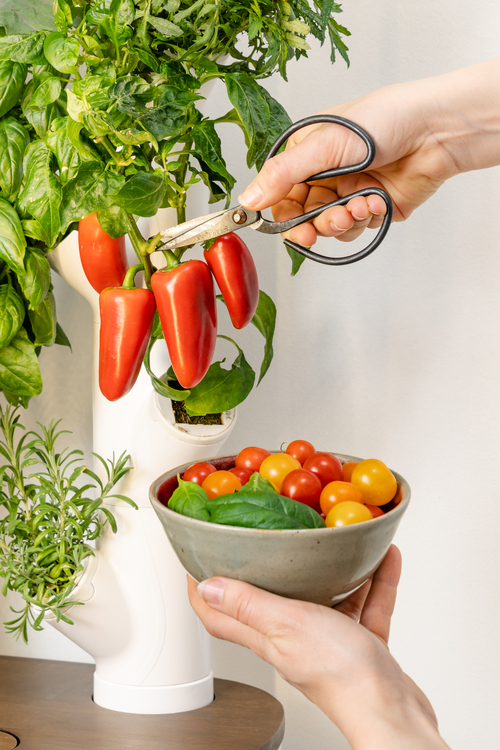
Since the middle of the 20th century, the way we get our produce has changed, from small farms spread across the country, to fewer, larger farms producing at mass scale.
While this has allowed us to grow individually (job choice, travel) and as a country (developing medicines, creating highways), we’ve reached the breaking point of what we can gain and are now losing. Varieties and growing practices optimized for high yields, resistance to pests and diseases, and long shelf life now come at the cost of nutrition, biodiversity, and taste.
Today, almost all commercial produce is grown with thicker, less tasty qualities so that it may be stored, shipped, and set on grocery shelves over the course of weeks (and up to 2 months). From the moment of harvest, certain nutrients begin dying, meaning by the time you get home to unload your groceries, that head of lettuce’s nutrition is drastically reduced and doesn’t even taste good to boot.
This is not to say you shouldn’t eat your vegetables; it’s more a matter of eating them in the best way possible!
With all of this in mind, Gardyn’s Plant Health and Nutrition Team set out to compare similar types of lettuce that were either grown on a Gardyn or purchased from a grocery store. We chose the freshest looking, organic lettuce that we could find including romaine, red leaf, and butter lettuce and did a “head-to-head” comparison with similar, Gardyn-grown lettuces from our plant portfolio.
Keep reading to learn more about which vitamins are impacted by harvest time.
The Gardyn difference: more nutrients than the grocery store
Vitamin C
Vitamin C is the prevailing protective antioxidant in blood and a cofactor for numerous enzyme processes in our bodies. As one of the most sensitive plant antioxidants, it can degrade quickly after harvest- especially under wilting conditions.
Even in refrigeration, cut baby leaf lettuce can lose 98% of its Vitamin C in just six days; spinach loses 19.6%. Considering that the average shelf life of leafy greens is 12-16 days– we can expect most Vitamin C to be gone by the time you pull out those leafy greens for dinner.
About 43% of adults have an inadequate intake of Vitamin C. Unlike other mammals, humans cannot synthesize Vitamin C and must obtain it from dietary sources (hence Scurvy).
Carotenoids
Carotenoids are a class of lipid-soluble healthful antioxidants that, in some cases, can also act as pro-vitamins. Carotenoid consumption is associated with lower incidents of certain cancers, heart disease, and macular degeneration.
In-plant cells, carotenoids protect chlorophyll (the green plant pigments involved in photosynthesis) from photo-oxidative damage. Once carotenoids begin to degrade, chlorophyll degradation follows. Chlorophyll can also be degraded through enzymatic processes, causing those vibrant, rich green broccoli heads to turn a limey green.
Depending on the plant type and storage conditions, chlorophyll and carotenoids can start to decline a few days after harvest. Losses of Lutein (27%), Violaxanthin (20%), Neoxanthin (31%), and B-carotene (14%) were noted after just five days of storage of harvested kale.
Flavonoids
Flavonoids are a complex class of antioxidants that contribute to a plant’s color and taste. Consuming flavonoids is associated with anti-inflammatory health benefits, including a decreased risk of cardiovascular disease, the leading cause of death in the United States.
Enzymes that oxidize flavonoids, such as Polyphenol Oxidase (PPO), can activate with tissue injury from harvest, reducing antioxidant potential and leading to brown and pink hues in your greens.
The amount of flavonoids and their stability after harvest is highly dependent on the variety, storage environment, and time. A study of three lettuce different lettuce varieties demonstrated total phenolic losses ranging from 12.8 – 41% after 15 days of storage, with total antioxidant losses ranging from 39.5-63.2%. Additional research has shown flavonoid losses ranging from 7-46% over a seven-day storage period in lettuces and endives.
With freshness comes taste
A lot can change from harvest to refrigerator when it comes to flavor. Harvesting fresh leafy greens generate a group of molecules known as green leaf volatiles (or lipoxygenase volatiles). Green leaf volatiles are responsible for the smell of fresh greens and have been shown to substantially decrease or completely degrade (depending on the specific compound and cultivar of interest) over the course of just three days.
In addition, when plant tissues are damaged through harvesting, processing, handling, and storage, it triggers the production of a hormone called Ethylene, creating a process known as senescence. Senescence (the process by which plant cells stop dividing but continue to age) can trigger physiological changes that make the plant more susceptible to microbial growth. Microbial growth can accelerate the decline of produce texture and impart off-flavors and aromas.
The best produce also comes with a clean burst of fresh flavor, fueled by the turgor of exploding plant cells. Think about popping a balloon full of water versus a balloon that’s only partially full. The full balloon (a.k.a plant cell with high turgor pressure) will burst more explosively than the partially filled balloon (which may not burst at all). When plant cell walls degrade, and tissues dehydrate, crunch is lost. Fresh lettuce is 95% water with a high leaf surface area water transpiration, and leaf dehydration happens quickly after harvest.
Though the processes by which nutrients and flavors degrade sounds complicated, the solution is quite simple.
LEARN MORE ABOUT OUR 3RD PARTY STUDY
At Gardyn we recommend you harvest when you’re ready to eat for full nutritional benefit and the very best flavor. It’s what fueled our CEO and founder, FX Rouxel, to create Gardyn, and it’s why our mission is to provide access to fresh, nutritious produce grown locally—all while in your own home.
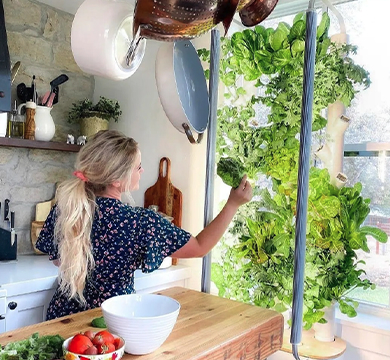
Meet our plant portfolio
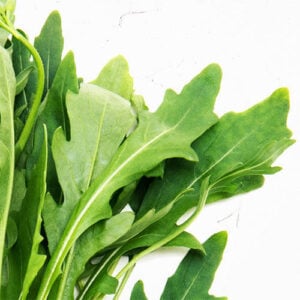
Arugula
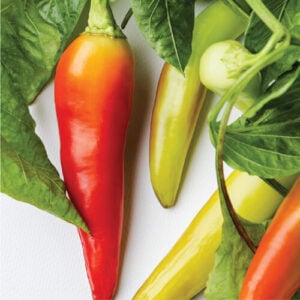
Banana Peppers
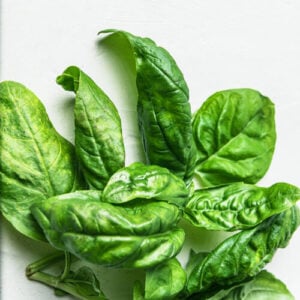
Basil

Bi-Color Sunflower
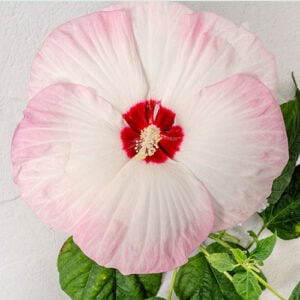
Blush Hibiscus
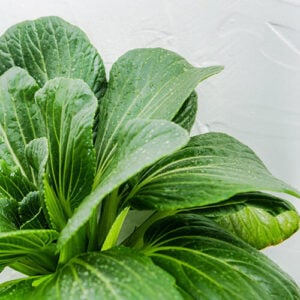
Bok Choy
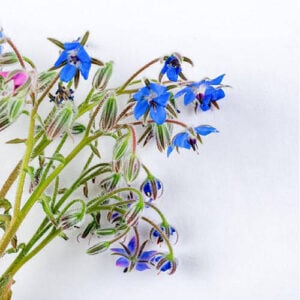
Borage
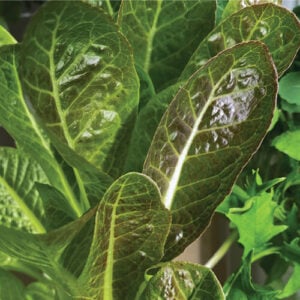
Breen
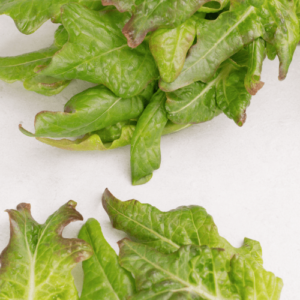
Bronze Arrow
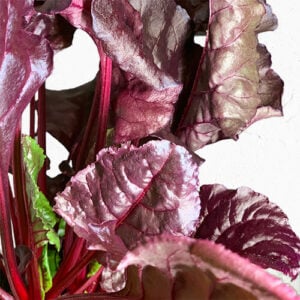
Bull’s Blood
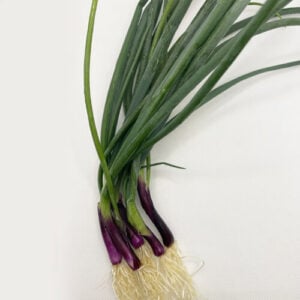
Bunching Onions
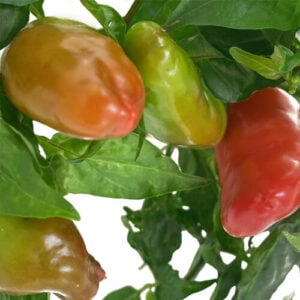
Burrito Pepper
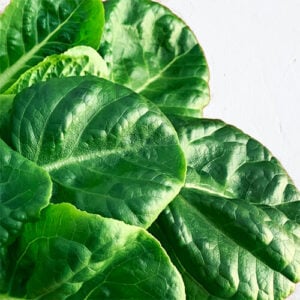
Buttercrunch
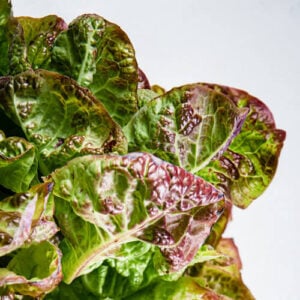
Butterhead

Canna Flower
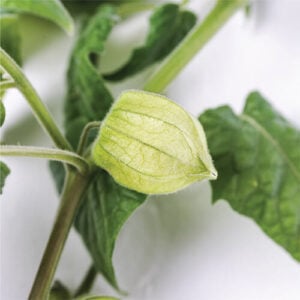
Cape Gooseberry
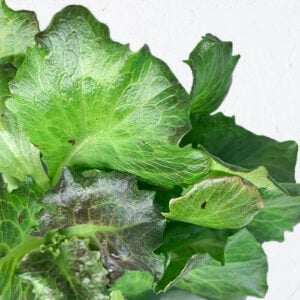
Cardinale
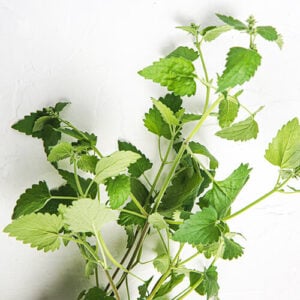
Catnip
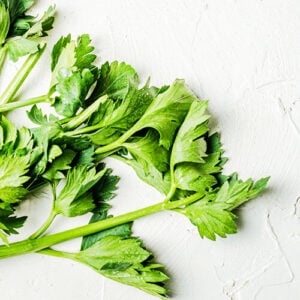
Celery

Chamomile
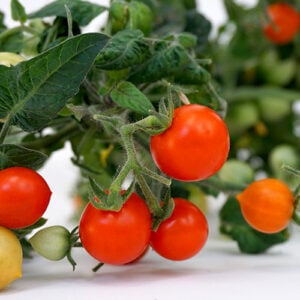
Cherry Tomato
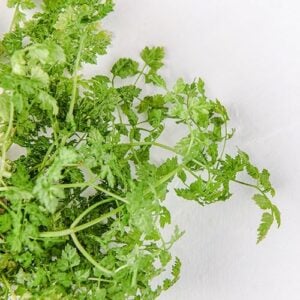
Chervil
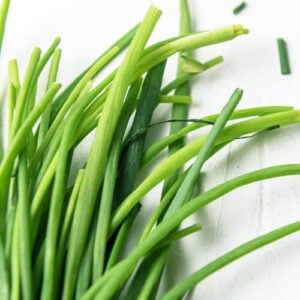
Chives
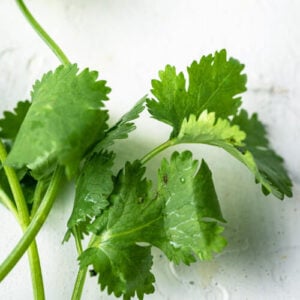
Cilantro
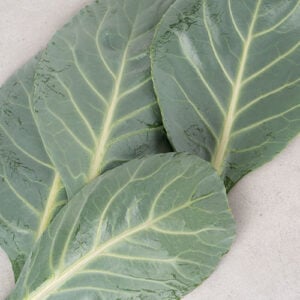
Collard Greens
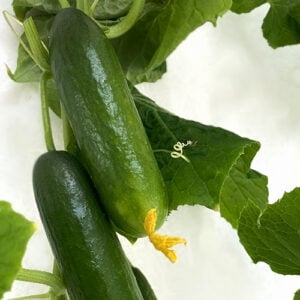
Cucumbers
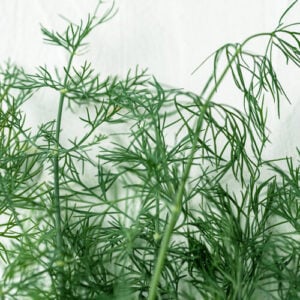
Dill

Dragon Beans
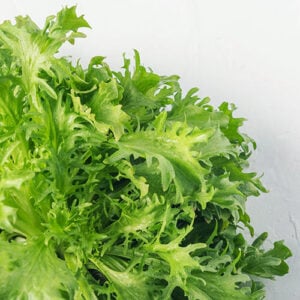
Endive
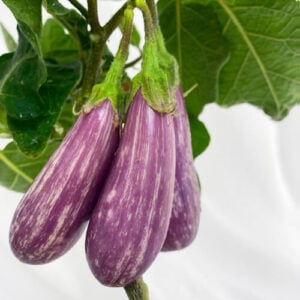
Fairytale Eggplant
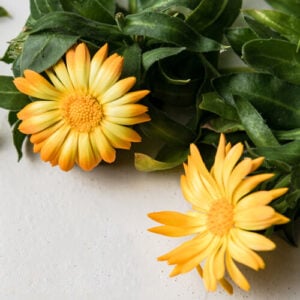
Fiesta Gitana
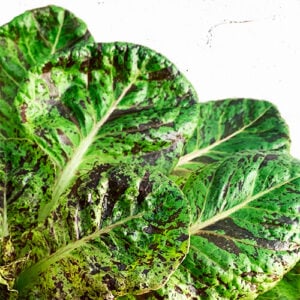
Flashy Trout Back

Fuchsia Snapdragon
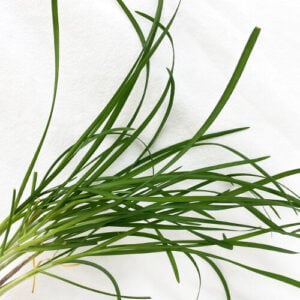
Garlic Chives
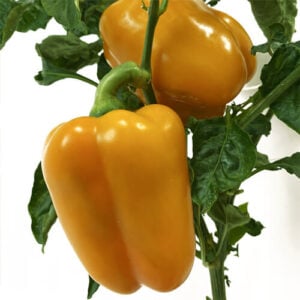
Goliath Pepper
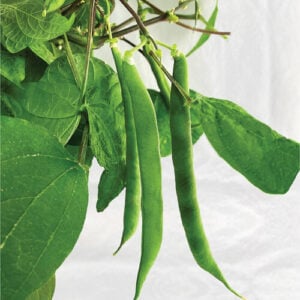
Green Beans
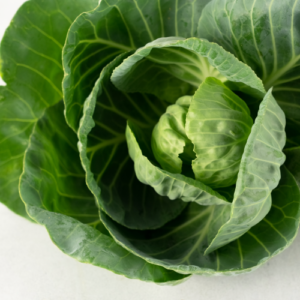
Green Cabbage

Green Mustard
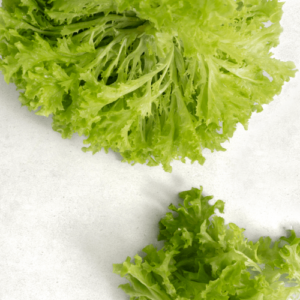
Green Salanova
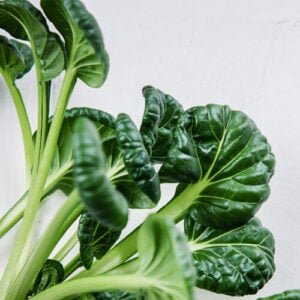
Green Tatsoi
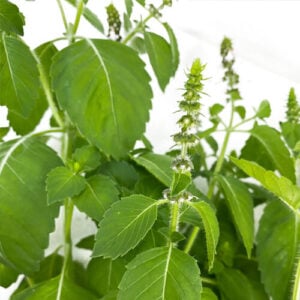
Holy Basil
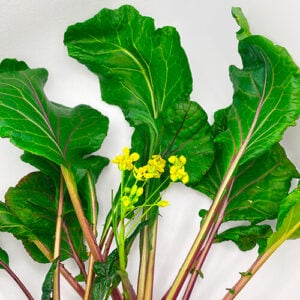
Hon Tsai Tai
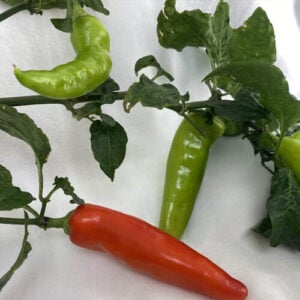
Hungarian Hot Wax Pepper
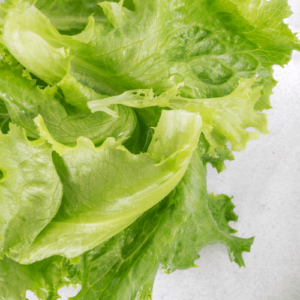
Iceberg
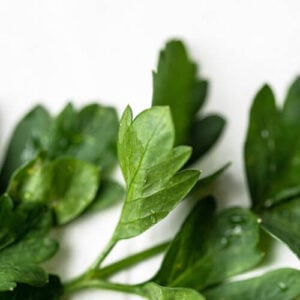
Italian Parsley
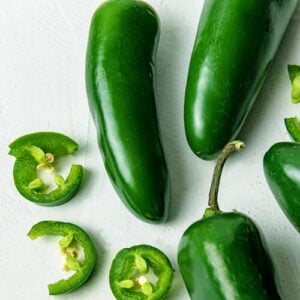
Jalapenos
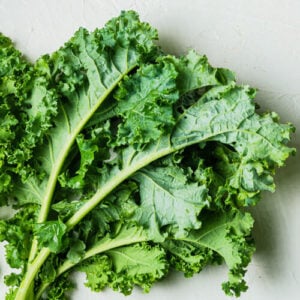
Kale
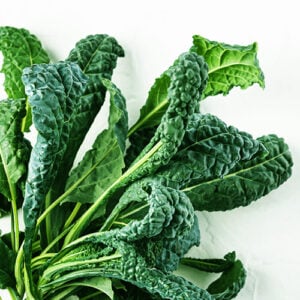
Kale Lacinato
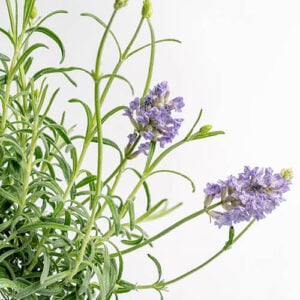
Lavender
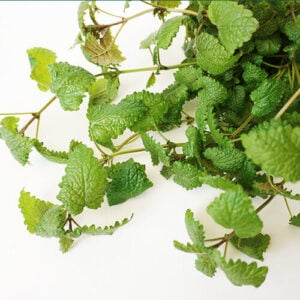
Lemon Balm
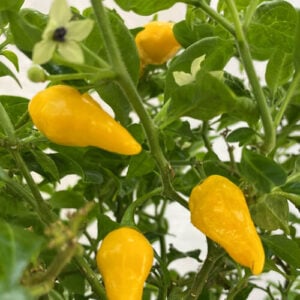
Lemon Hot Pepper
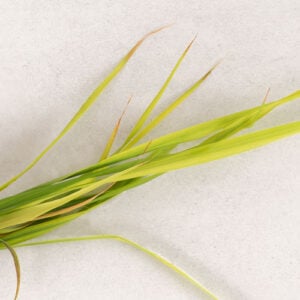
Lemongrass
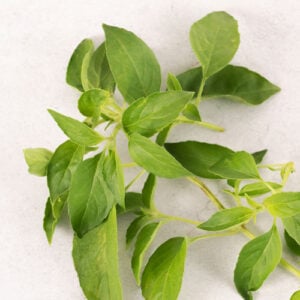
Lime Basil
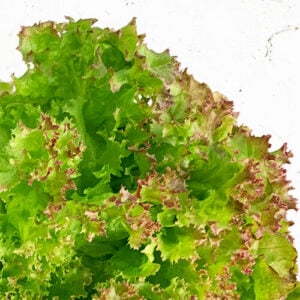
Lollo Rossa
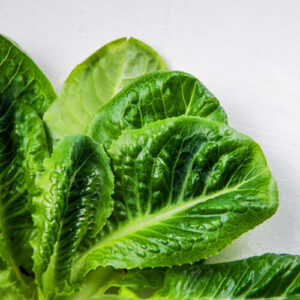
Matilda
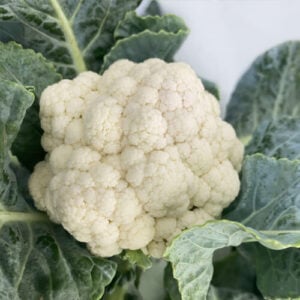
Mini Cauliflower
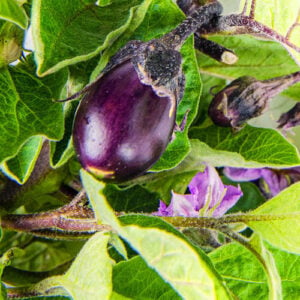
Mini Eggplant
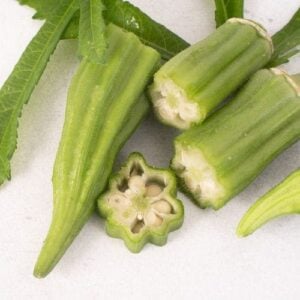
Mini Okra
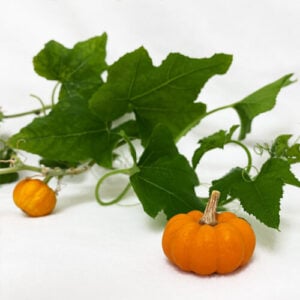
Mini Pumpkin
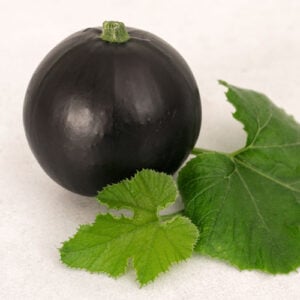
Mini Squash
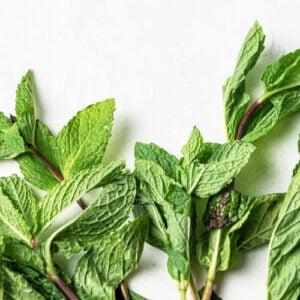
Mint
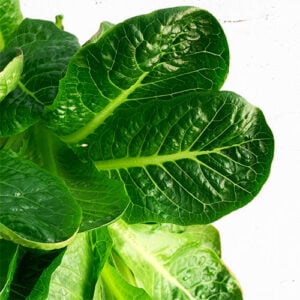
Monte Carlo
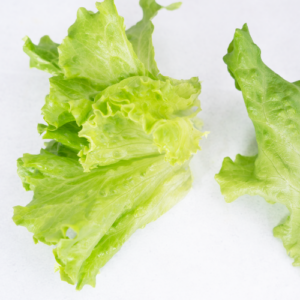
Muir Lettuce

Nasturtium
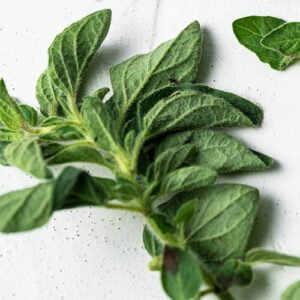
Oregano
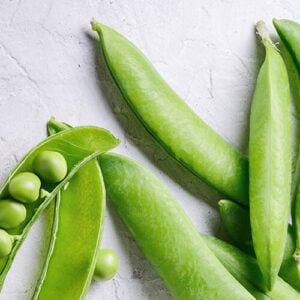
Peas
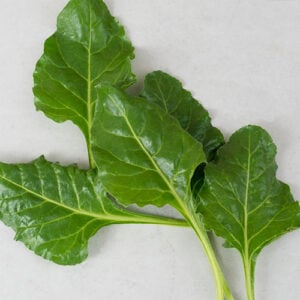
Perpetual Spinach
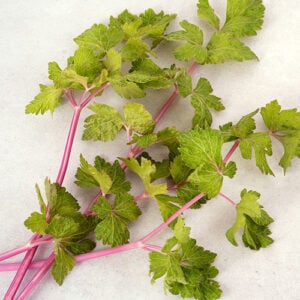
Pink Celery

Pink Petunia
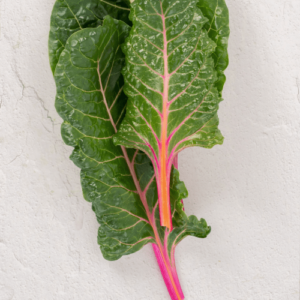
Pink Swiss Chard
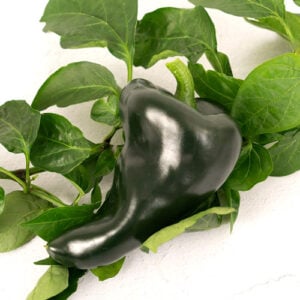
Poblano Pepper
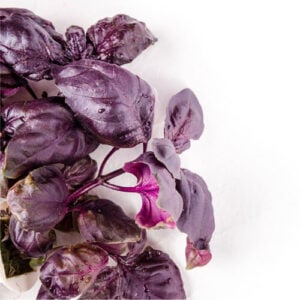
Purple Basil
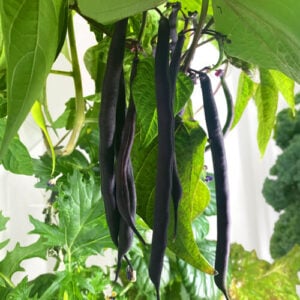
Purple Beans
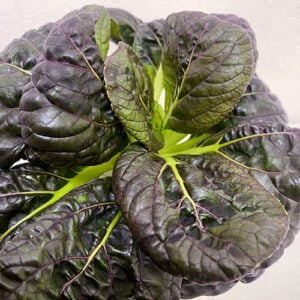
Purple Bok Choy

Purple Campanula
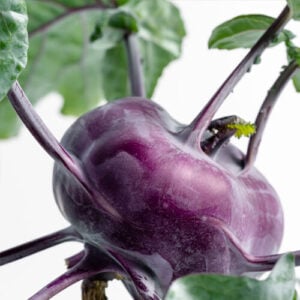
Purple Kohlrabi
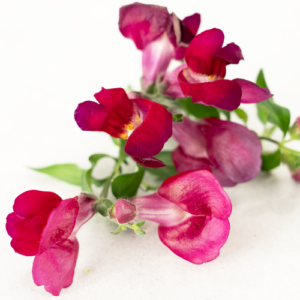
Purple Snapdragon
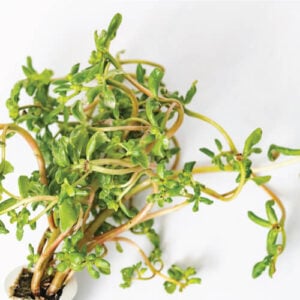
Purslane
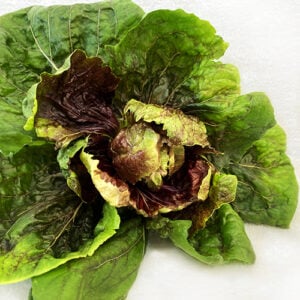
Radicchio

Radio Calendula
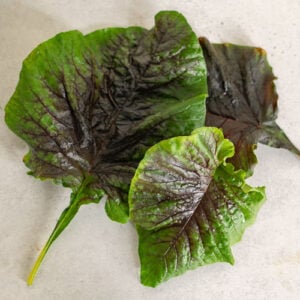
Red Amaranth
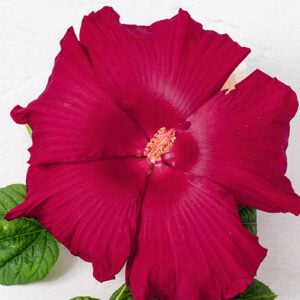
Red Hibiscus
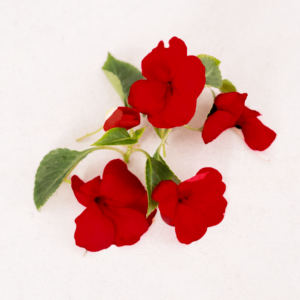
Red Impatiens

Red Marietta Marigold
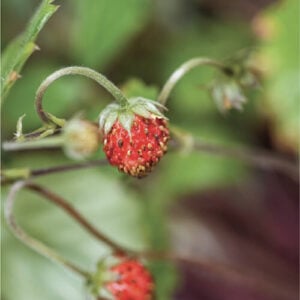
Red Mini Strawberry
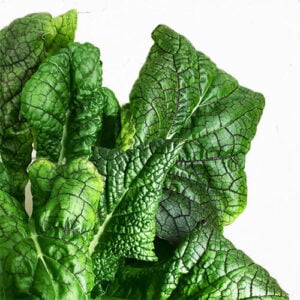
Red Mustard
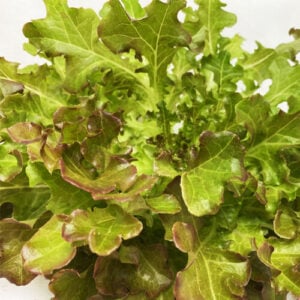
Red Oak Leaf Lettuce
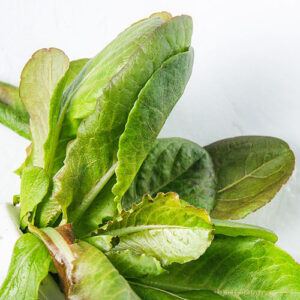
Red Romaine
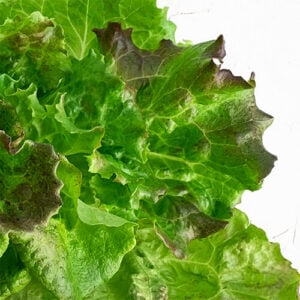
Red Sails
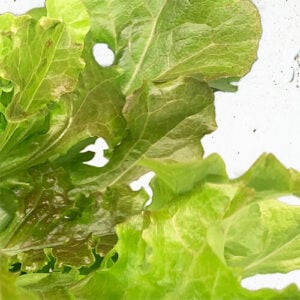
Red Salad Bowl
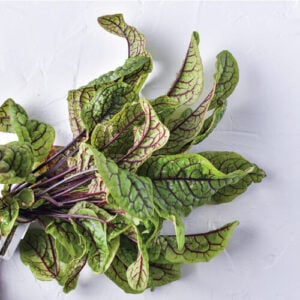
Red Sorrel
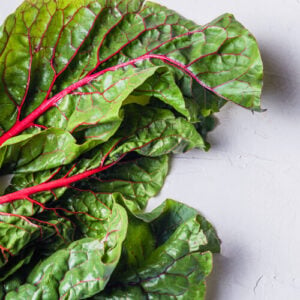
Red Swiss Chard
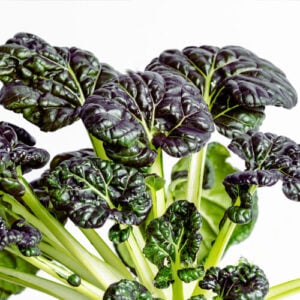
Red Tatsoi
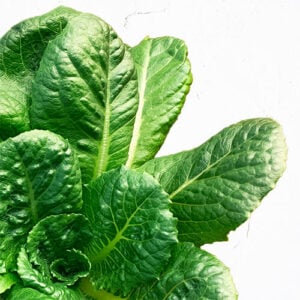
Romaine

Rosemary
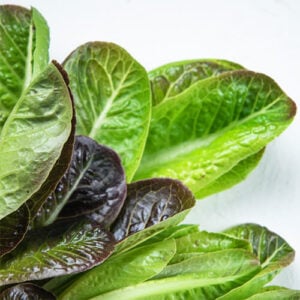
Rouge d’Hiver
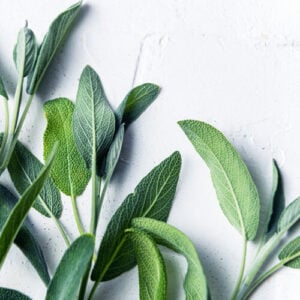
Sage
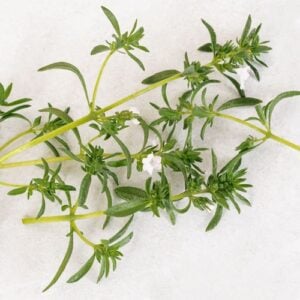
Savory
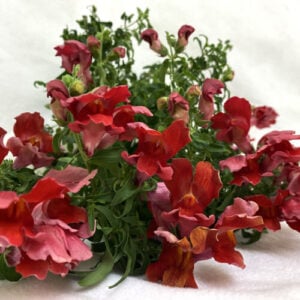
Scarlet Snapdragon
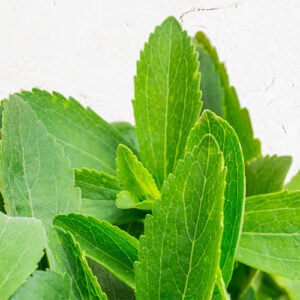
Stevia

Stock Flower
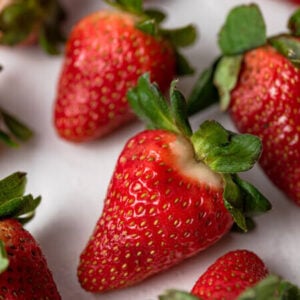
Strawberries

Sunflower
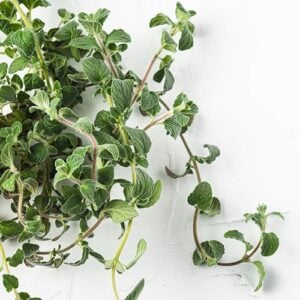
Sweet Marjoram
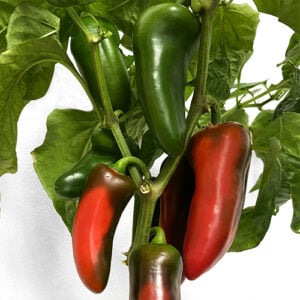
Sweet Peppers

Sweet Thai Basil
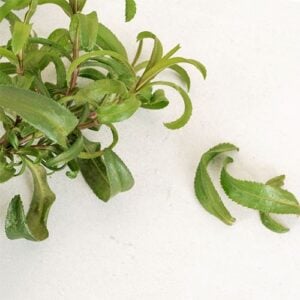
Tarragon
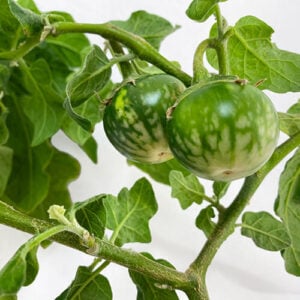
Thai Eggplant
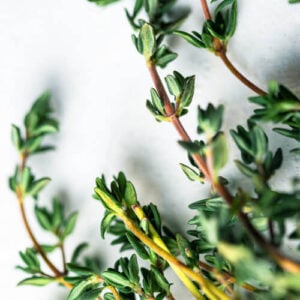
Thyme
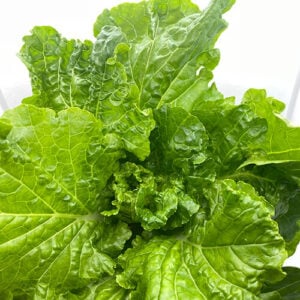
Tokyo Bekana

Torenia

Viola
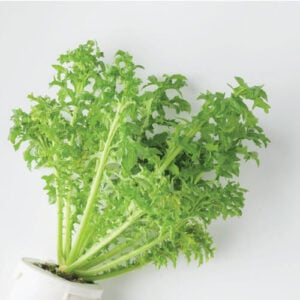
Wasabi Greens
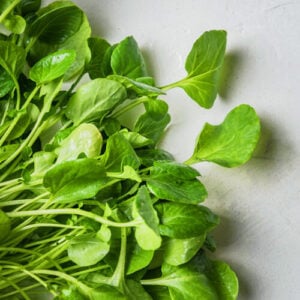
Watercress
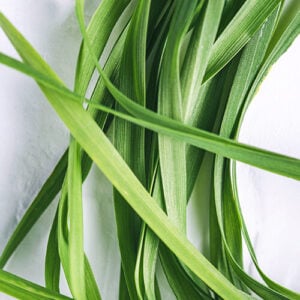
Wheatgrass

White Kohlrabi

White Petunia
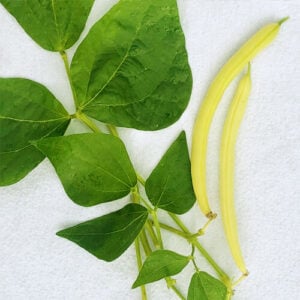
Yellow Beans
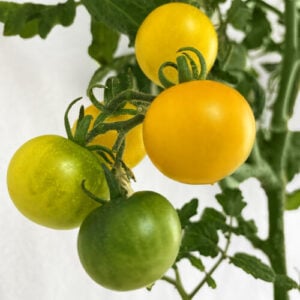
Yellow Cherry Tomato

Yellow Mini Strawberry

Yellow Snapdragon
Yellow Swiss Chard
Zinnia
<h2 data-start=“1257” data-end=“1311″ id=“lunch-box-recipes”>