Cookies help us deliver the best experience on our website. By clicking Accept you are agreeing to the placement and use of cookies as described in our privacy policy.


The idea of growing your own food regardless of season used to require either a glass greenhouse in the backyard or serious dedication to a complicated indoor setup. That’s changed. Today, compact indoor growing systems bring the core principles of greenhouse production, controlled environment, year-round light, optimized nutrition, into a format that fits a kitchen counter or apartment corner. If you’ve ever wanted fresh herbs in January or salad greens through a Minnesota winter, indoor greenhouse growing is the answer. Here’s how it works and what you actually need to make it happen.
Key takeaways
- Traditional greenhouses extend the growing season; indoor growing systems eliminate seasonality entirely by controlling light, temperature, and nutrition year-round.

- The key variables for year-round production are light spectrum and duration, temperature stability, humidity management, and consistent plant nutrition.
- Hydroponic growing : the method used in most modern indoor growing systems, produces food 30–50% faster than soil and uses up to 95% less water.
- Gardyn’s Hybriponic™ technology handles light, water, and nutrients automatically, making year-round production achievable without horticultural expertise.
- Leafy greens and herbs are the most productive year-round crops; fruiting plants require more light intensity but are achievable with the right system.
What indoor greenhouse growing actually means
The term “greenhouse” originally described a glass structure that captured solar heat and light to extend the growing season into colder months. The core principle, controlling the plant’s environment rather than depending on outdoor conditions, is exactly what modern indoor growing systems do, just in a much smaller footprint and without glass walls.
An indoor greenhouse, in practical terms, is any setup where you’re providing artificial light, managing temperature and humidity, and delivering consistent nutrition to plants growing in a controlled indoor space. This could be a basement grow room with rack systems and dedicated lighting, a countertop herb garden with an integrated LED panel, or a vertical hydroponic column that manages everything automatically.
What all of these have in common: they decouple plant growth from outdoor conditions. No frost dates. No short winter days. No summer heat stress. The plants grow when you want them to, at the rate the controlled environment allows.
Indoor growing vs. traditional greenhouse: key differences
Traditional greenhouses still depend on natural sunlight as the primary light source, supplemented by heaters in winter. They extend the season but don’t fully eliminate it : a greenhouse in the Pacific Northwest still struggles in December with overcast skies providing minimal PAR light. Indoor growing systems using full-spectrum LEDs sidestep this entirely: light is consistent and controllable regardless of what’s happening outside.
| Factor | Traditional greenhouse | Indoor growing system |
|---|---|---|
| Light source | Primarily natural sunlight | Full-spectrum LED, fully controlled |
| Seasonality | Extended but still seasonal | Fully eliminated, year-round production |
| Space required | Dedicated outdoor structure | 2–4 sq ft of indoor space |
| Climate dependency | Temperature, humidity vary with weather | Fully controlled, weather-independent |
| Setup complexity | High, construction, heating, ventilation | Low, plug-in systems available |
| Water efficiency | Moderate | Up to 95% less water than soil gardening |
The four variables that make year-round growing possible
Successful year-round indoor growing comes down to managing four environmental variables consistently. Get these right, and plants don’t know, or care, what month it is outside.
1. Light: spectrum, intensity, and duration
Light is the most critical variable. Plants need specific wavelengths, primarily blue (400–500nm) for vegetative growth and red (600–700nm) for photosynthesis and fruiting, delivered at sufficient intensity for enough hours per day. Most food crops perform best with 14–16 hours of full-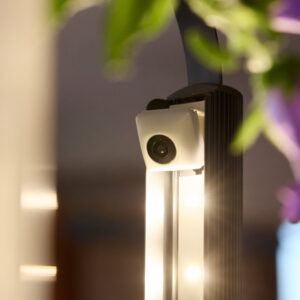 spectrum light daily, a standard that natural sunlight only meets reliably during summer months at temperate latitudes.
Full-spectrum LED grow lights make consistent year-round light achievable in any space. Gardyn’s integrated LED panels are calibrated specifically for indoor food crops and managed automatically by Kelby AI, which sets and maintains optimal photoperiod schedules without any manual intervention.
2. Temperature: stability over perfection
Most culinary herbs and leafy greens grow best between 65°F and 75°F (18°C–24°C). Fruiting plants like tomatoes and peppers prefer the upper end of that range. What matters more than hitting a perfect target is stability, large temperature swings stress plants, slow growth, and can trigger premature bolting in herbs like cilantro and basil.
Indoor spaces, particularly climate-controlled apartments and homes, naturally provide this stability. This is one of the counterintuitive advantages of indoor growing over traditional greenhouses: a heated home in January is actually a more temperature-stable growing environment than a greenhouse dealing with day-night temperature swings.
3. Humidity: the overlooked variable
Most food crops prefer relative humidity between 50% and 70%. Too low, and plants experience water stress even with adequate root moisture, leaves curl, growth slows, and herb flavor concentrates but yield drops. Too high, and you risk mold, mildew, and fungal issues that can spread quickly in a dense planting.
In typical home environments, indoor humidity is generally adequate without active management. Winter heating can drop indoor humidity significantly, if you notice leaf edge curling or browning on your indoor plants during winter months, low humidity is often the culprit rather than watering issues.
4. Plant nutrition: hydroponic systems have a significant advantage
Soil-based indoor growing faces a fundamental challenge: nutrients in soil deplete with each growing cycle and must be replenished through fertilization, which is difficult to calibrate precisely. Hydroponic growing delivers nutrients directly to plant roots in solution, at precisely calibrated concentrations, continuously. This is why hydroponic systems consistently outproduce soil-based indoor growing for food crops, plants never experience nutrient stress, and nutrition is always optimized for growth rate.
|
Best crops for year-round indoor production
Not all plants are equally suited to indoor year-round growing. The most successful indoor crops share a few characteristics: compact growth habit, relatively short harvest cycles, and tolerance for the controlled-environment conditions of an indoor system.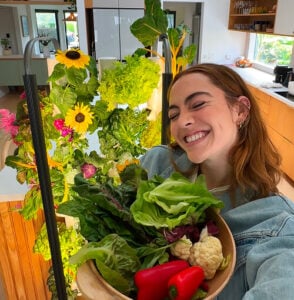
Herbs: the most rewarding year-round indoor crop
Culinary herbs are the ideal year-round indoor crop. They have short cycles from germination to first harvest, tolerate the consistent light and temperature of indoor environments, and provide the highest value-per-square-foot of any edible plant. A single herb plant can provide dozens of harvests over its productive life, and the cost savings vs. buying fresh herbs at the grocery store accumulate quickly.
- Basil : ready to harvest in 3–4 weeks; highly productive with consistent light. Also available as sweet Thai basil and purple basil
- Mint, vigorous year-round; one of the easiest indoor crops regardless of experience level
- Cilantro : best in cooler conditions (65–70°F); succession planting every few weeks extends harvest season
- Chives, extremely reliable; cut-and-come-again growth habit means continuous harvest from a single plant
- Thyme, oregano, and rosemary : slower growing but long-lived; excellent for year-round production once established
- Italian parsley and dill, steady producers; both significantly more flavorful fresh than dried
- Lemongrass, thrives in warm indoor conditions; excellent year-round performer in the right system
Leafy greens: fast cycles, consistent production
Leafy greens have some of the shortest harvest cycles of any food crop, many varieties are ready for first harvest in 3–5 weeks. This makes them ideal for continuous year-round production, particularly with a cut-and-come-again harvesting approach where you take outer leaves and allow the plant to keep producing.
- Arugula : fast growing (2–3 weeks to harvest); slightly peppery flavor that intensifies in compact indoor conditions
- Butterhead lettuce and romaine, classic salad greens with reliable 4–5 week cycles
- Kale and Lacinato kale, nutrient-dense and productive; benefits from the consistent nutrition of a hydroponic system
- Red Swiss chard, vibrant color; steady producer that tolerates a wide range of indoor conditions
- Bok choy : fast to harvest; excellent in Asian cooking and consistently productive indoors
Fruiting plants: achievable with the right system
Fruiting plants require higher light intensity and longer growing cycles than herbs and greens, but they’re absolutely achievable in a well-designed indoor system. The key is selecting compact varieties bred for indoor or container growing and ensuring your system provides adequate light intensity throughout the column.
- Cherry tomatoes, most productive fruiting crop for indoor growing; compact varieties fruit continuously with consistent light
- Jalapeños and sweet peppers : slower to mature (8–12 weeks) but rewarding; once fruiting, produce for months
- Mini strawberries, day-neutral varieties produce year-round without the seasonal cues that standard strawberries require
- Cucumbers, high light requirement; productive once established in a system with adequate intensity
| Crop type | Time to first harvest | Harvest frequency | Year-round suitability |
|---|---|---|---|
| Culinary herbs | 3–5 weeks | Continuous (cut-and-come-again) | Excellent : ideal year-round crop |
| Leafy greens | 3–5 weeks | Continuous or full harvest | Excellent : fast cycles, high yield |
| Fruiting plants | 8–14 weeks | Continuous once fruiting | Good, requires adequate light intensity |
| Root vegetables | 8–16 weeks | Single harvest | Limited, space and light intensive |
Why hydroponic systems outperform soil for year-round indoor growing
Indoor growing is possible with soil, but hydroponic systems consistently outperform soil-based setups for year-round food production. The reasons are practical and measurable.
Faster growth rates
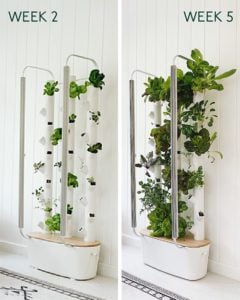 Hydroponic plants grow 30–50% faster than soil-grown equivalents because roots have direct, continuous access to water and nutrients. In soil, roots spend energy searching for nutrients between waterings. In a hydroponic system, nutrients come to the roots, that saved energy goes into leaf and fruit production instead.
Significantly lower water use
Gardyn’s Hybriponic™ systems use approximately 2 gallons of water per week to support up to 30 plants. An equivalent soil-based planting would require dramatically more, with significant losses to evaporation, drainage, and runoff. For indoor growing, lower water use also means fewer spills, less humidity impact, and simpler maintenance.
No soil-borne pests or disease
Many of the most persistent indoor plant problems, fungus gnats, root rot, soil mold, are soil-borne issues that simply don’t exist in a well-designed hydroponic system. This means cleaner growing conditions, healthier plants, and significantly less troubleshooting over the course of a growing year.
Consistent, calibrated nutrition
Soil nutrients deplete unpredictably and must be replenished through fertilization : a process that’s difficult to calibrate precisely, especially for indoor growers without soil testing equipment. Hydroponic systems deliver exactly the right nutrients at exactly the right concentrations, every day, without guesswork. This consistency is a key reason hydroponic plants are so productive year-round.
|
|
Setting up for year-round production: what you actually need
If you’re starting from scratch, the gap between “wanting to grow food indoors year-round” and “actually doing it” can feel wide. Here’s what the setup actually requires, whether you’re building a custom grow space or choosing an integrated system.
Location and space
Year-round indoor growing doesn’t require a dedicated room. A counter space, a corner of a kitchen, or a section of a living room wall is sufficient for most vertical hydroponic systems. The primary requirements are proximity to an electrical outlet, adequate clearance for plant height, and reasonably stable temperature (standard home climate control is more than sufficient).
Avoid locations directly adjacent to heat vents or drafty windows. Consistent temperature matters more than perfect temperature : a stable 68°F is better than an average of 70°F with swings to 60°F and 80°F throughout the day.
Light: the non-negotiable
If you’re building a custom setup, grow light selection is your most important decision. Look for full-spectrum LEDs with published PAR output data, not just wattage. Position lights to ensure even coverage across all plant sites, and use a timer to maintain consistent 14–16 hour photoperiods.
For integrated systems like Gardyn, lighting is built in and pre-calibrated, you don’t need to research or purchase lights separately. The Gardyn Home’s integrated full-spectrum LEDs run the full height of the column, ensuring every plant site receives consistent light intensity from the topmost pod to the lowest.
Water and nutrient management
For soil-based indoor setups, consistent watering and fertilization are the most time-intensive maintenance tasks. For hydroponic systems, the water reservoir handles both. Gardyn’s systems require approximately 2 gallons of water per week, added to the reservoir as needed, and yCube plant pods are pre-seeded and pre-loaded with everything needed to germinate and establish. Nutrient management is handled automatically by the system.
Plant selection and succession planting
Year-round production isn’t just about keeping plants alive through winter, it’s about maintaining a continuous harvest cycle. The most successful indoor growers practice succession planting: starting new plants every 2–4 weeks so that as one plant finishes its productive cycle, a replacement is already maturing. This is particularly effective with fast-cycling crops like arugula, butterhead lettuce, and basil.
Gardyn’s plant catalog makes succession planning straightforward, browse by growth rate and harvest cycle to build a planting schedule that delivers continuous production rather than feast-and-famine cycles.
|
Month-by-month: what indoor growing looks like year-round
One of the clearest ways to understand the value of year-round indoor growing is to think through what outdoor gardeners are doing, and what indoor growers are harvesting, in each season.
Winter (December–February)
Outdoor: frozen ground, bare beds, seed catalog browsing. Indoor: peak growing season for leafy greens and herbs. Lower outdoor temperatures don’t affect a climate-controlled indoor space, and the stable indoor environment is ideal for cool-season crops like arugula, butterhead, and cilantro. This is the season where indoor growing delivers the most obvious value, fresh herbs and salad greens when nothing is available locally or affordably.
Spring (March–May)
Outdoor: soil preparation, seed starting, last frost monitoring. Indoor: consistent production continues without interruption. Spring is also the ideal time to start fruiting plants like tomatoes and peppers indoors, giving them time to establish before their long fruiting cycles deliver results in summer.
Summer (June–August)
Outdoor: peak garden season. Indoor: continued production, now including fruiting crops if started in spring. The controlled indoor environment actually provides an advantage over outdoor growing in hot climates, indoor temperatures stay stable while outdoor heat stresses plants, causes bolting in herbs, and reduces fruit set in tomatoes and peppers.
Fall (September–November)
Outdoor: harvest wind-down, preparing beds for winter. Indoor: transition from summer fruiting crops back to herbs and greens for the cooler months ahead. This is succession planning season, starting new herb and green pods to replace summer crops as they finish.
Frequently asked questions
Can you really grow food indoors year-round?
Yes, this is the core premise of indoor hydroponic growing. By controlling light, temperature, and nutrition, you eliminate the seasonal constraints that limit outdoor and traditional greenhouse growing. Herbs, leafy greens, and fruiting plants all grow successfully indoors year-round with the right system.
What is the difference between an indoor garden and a greenhouse?
A traditional greenhouse relies primarily on natural sunlight and uses glass or polycarbonate panels to capture and retain heat from the sun. It extends the growing season but remains dependent on seasonal light levels. An indoor growing system uses artificial full-spectrum LED lighting and is entirely independent of outdoor conditions, it can produce year-round regardless of season, climate, or geographic location.
What plants grow best year-round indoors?
Culinary herbs and leafy greens are the most productive year-round indoor crops : fast harvest cycles, continuous production, and high value per plant. Fruiting crops like cherry tomatoes, peppers, and mini strawberries are achievable with adequate light intensity. Browse Gardyn’s full plant catalog for the complete list of available varieties.
How much space do I need for year-round indoor growing?
Gardyn’s Gardyn Home grows up to 30 plants in approximately 2 square feet of floor space. The Gardyn Studio fits 16 plants in an even smaller footprint. Both systems grow vertically, using ceiling height rather than floor area, making year-round production practical even in small apartments.
Is indoor year-round growing expensive?
The primary costs are the system itself, electricity for lighting (typically $5–15 per month), and replacement plant pods. Against these costs, a productive indoor garden can meaningfully reduce herb and produce purchases, fresh basil, mint, and salad greens bought weekly at retail add up quickly. Most active Gardyn members report that the system pays for itself within the first year in grocery savings.
Do I need any gardening experience to grow indoors year-round?
No, this is one of the primary advantages of an integrated indoor growing system. Gardyn’s Kelby AI manages light schedules, monitors plant health, and sends care reminders automatically. The system is specifically designed for people who want fresh food without becoming expert gardeners. The most common feedback from new Gardyn members is surprise at how little active management is required.
How is hydroponic indoor growing different from soil-based indoor growing?
Hydroponic systems deliver nutrients directly to plant roots in water solution, eliminating the need for soil, fertilization management, and most soil-related pest issues. Plants grow 30–50% faster than in soil, use up to 95% less water, and produce more consistently over time. Gardyn’s Hybriponic™ technology is a specific variant of hydroponic growing optimized for compact indoor food production.
What happens if I go on vacation?
Gardyn’s automated watering system and Kelby AI handle plant care even when you’re away. The reservoir holds enough water to sustain plants for up to two weeks without attention. Kelby monitors plant health remotely and sends notifications if anything needs attention, so you can enjoy your trip knowing your garden is being looked after. Learn more about how the system works on the Gardyn how it works page.