Cookies help us deliver the best experience on our website. By clicking Accept you are agreeing to the placement and use of cookies as described in our privacy policy.


Here’s the version of family nutrition nobody talks about: the one where it’s 6 pm, two kids have after-school activities that ended at different times, you’ve been in back-to-back meetings since 8 am, and somehow you’re supposed to produce a healthy dinner. The meal planning system you set up in January has long since collapsed. The Pinterest recipe you saved is mocking you from your phone. And the answer, again, might be whatever’s quickest rather than whatever’s healthiest. This guide is for that version of family nutrition. The real one.
Key takeaways
- The biggest barrier to healthy family meals isn’t knowledge or motivation, it’s friction. When healthy food is harder to access than convenient food, convenient food wins every time.
- The key to sustainable healthy eating for busy families is reducing the friction of fresh food to near zero, making it faster and easier to use fresh herbs and greens than to skip them.
- Growing food at home eliminates the shopping, planning, and storage friction that makes fresh produce hard to use consistently.
- Gardyn’s automated system requires about 5 minutes of attention per week, harvest when you need something, let Kelby handle the rest.
- The goal isn’t perfect nutrition every night. It’s consistent access to fresh food that makes healthy choices the default rather than the exception.
The real reason healthy eating is hard for busy families
Most nutrition advice is written for people with time. Meal prep on Sunday. Plan the week’s meals in advance. Buy fresh, cook from scratch, eat together. All of this is genuinely good advice, and genuinely impossible to sustain when you’re managing work, kids, school schedules, activities, and all the administrative overhead of running a household.
The honest truth is that healthy eating isn’t primarily a knowledge problem. Most parents know vegetables are better than chips. The barrier is friction : the gap between knowing what you should do and having the bandwidth to do it at the moment dinner needs to happen.
The friction equation
When fresh vegetables require a special shopping trip, careful storage, and advance planning to use before they spoil, they lose to frozen pizza on a Thursday night. Every time. It’s not weakness or failure; it’s rational decision-making under time pressure.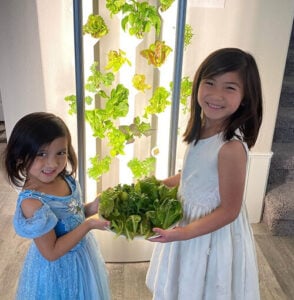
The solution isn’t more discipline or better planning systems. It’s reducing the friction of fresh food to near zero. When fresh herbs and greens are literally growing in your kitchen, available in seconds, requiring zero planning and zero shopping : the friction equation changes. Healthy becomes easier than unhealthy. That’s when sustainable change happens.
|
How Gardyn reduces the friction of fresh food
A Gardyn Home grows up to 30 plants in 2 square feet of kitchen or dining room space. Watering is automated. Lighting is automated. Kelby AI monitors plant health and sends notifications when something needs attention or is ready to harvest. Your job is to decide what to cook and then walk to the Gardyn to get it.
No shopping, no planning, no waste
The three friction points that make fresh produce hard to use consistently are eliminated: you don’t have to plan in advance to have fresh herbs on hand (they’re always there), you don’t have to make a special shopping trip (they’re growing in your kitchen), and you don’t have to worry about using them before they spoil (they keep growing on the plant until you need them).
Five-minute meals get better instantly
The highest-leverage nutrition win for busy families isn’t the elaborate healthy dinners, it’s elevating the quick meals you’re already making. Pasta from a box gets fresh basil. Tacos get fresh cilantro. A bag salad gets fresh arugula added. Scrambled eggs get fresh chives. These additions take seconds and meaningfully improve the nutritional and flavor profile of meals you were going to make anyway.
This is where home growing pays off most for busy families: not by enabling elaborate cooking, but by making your existing quick meals significantly better with minimal additional effort.
| Meal | Without Gardyn | With Gardyn | Time added |
|---|---|---|---|
| Weeknight pasta | Jarred sauce, no herbs | Fresh basil harvested in 30 seconds | 30 seconds |
| Taco Tuesday | Packaged seasoning, dried herbs | Fresh cilantro + lime | 1 minute |
| Bag salad | Pre-washed mix, bottled dressing | Add fresh arugula + chives | 2 minutes |
| Scrambled eggs | Plain eggs | Fresh chives snipped at the pan | 30 seconds |
| Store-bought soup | Straight from the can | Fresh parsley, thyme garnish | 1 minute |
Building a realistic healthy eating routine
The goal isn’t a perfect nutrition plan. It’s a realistic one that holds up on hard weeks, not just easy ones. Here’s what that looks like with a Gardyn in the kitchen.

Start with herbs, not vegetables
The easiest entry point is fresh herbs, not because vegetables aren’t important, but because herbs are the highest-value, lowest-effort upgrade to meals you’re already making. Fresh basil on tonight’s pasta. Fresh cilantro on the tacos. Fresh mint in the kids’ water. These are zero-planning additions that upgrade nutrition and flavor simultaneously.
Let kids handle the harvest
If your kids are old enough to be trusted near the Gardyn (generally 5+), make harvesting their job. “Go get some basil for dinner” is a task that takes 2 minutes, keeps kids engaged in meal preparation, and builds the grow-to-eat relationship that makes them more likely to eat what they’ve harvested. This simultaneously reduces your workload and increases vegetable consumption : a genuine win-win.
Use the ‘always available’ mindset
The paradigm shift that makes home growing work for busy families is moving from “do I have fresh herbs?” (a planning question) to “what should I harvest tonight?” (a usage question). When the herbs and greens are always there, the mental model changes. You stop planning around produce and start cooking with whatever’s ready to harvest. Browse the Gardyn plant catalog to see what grows best in your kitchen.
The best plants for busy family kitchens
The right plants for an overwhelmed parent aren’t just the most popular ones, they’re the ones that do the most work across the meals you’re already making without any extra planning. This list skews toward multi-use plants, fast growers, and anything that makes weeknight cooking feel less like a chore.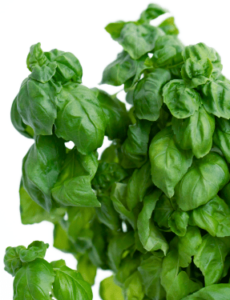
- Thyme : the workhorse herb for roasted meats, soups, and one-pan dinners; a sprig thrown into a sheet pan takes 5 seconds and elevates the whole dish
- Oregano : essential for Italian, Greek, and Mexican cooking; more aromatic and flavorful fresh than the dried jar that’s been in your spice cabinet for two years
- Dill : transforms store-bought hummus, yogurt dips, and salmon into something that tastes intentional; kids who like pickles usually like dill
- Romaine : sturdier than butterhead and holds up to dressings without wilting; harvest outer leaves for Caesar salads, tacos, and lettuce wraps all week
- Kale : the highest-nutrition green in the system; massage with olive oil and salt for a 3-minute side salad, or blend into smoothies without anyone noticing
- Bok choy : ready fast, cooks in 3 minutes in a stir-fry or ramen; the easiest path to a vegetable-forward weeknight dinner that actually tastes good
- Sweet marjoram : milder and sweeter than oregano; excellent in egg dishes, roasted vegetables, and anywhere you want herby flavor without overpowering kids’ palates
- Red Swiss chard : visually striking (kids notice the color); sautés in 4 minutes with garlic and olive oil as a side dish, or adds nutrition to pasta and grain bowls
|
|
What healthy family meals actually look like with a Gardyn
Forget the aspirational version of family nutrition : the color-coded meal prep containers and the whiteboard menu on the fridge. Here’s what healthy eating actually looks like for Gardyn families across a real week.
Monday: leftovers get upgraded
Last night’s roast chicken becomes today’s salad. Pull out the bag of pre-washed greens, add a handful of arugula snipped from the Gardyn, top with leftover chicken and a squeeze of lemon. Total time: 4 minutes. Nutritional value: significantly higher than the plain leftovers you would have had otherwise.
Wednesday: taco night, elevated
Ground beef or black beans from the pantry. Tortillas. Shredded cheese. And then, fresh cilantro and chives harvested in 60 seconds. The kids do the harvesting. They eat the cilantro because they picked it. Taco night is now a healthy meal that required no extra planning and no extra shopping.
Friday: the no-plan dinner
It’s been a week. You have pasta, a jar of marinara, and whatever’s in the Gardyn. Boil the pasta, warm the sauce, harvest basil in 30 seconds. A bare-minimum dinner becomes something that feels intentional and fresh. This is the version of healthy family meals that actually holds up, not the Pinterest version, the real one.
Frequently asked questions
How much time does Gardyn actually take each week?
Approximately 5 minutes, and that’s mostly harvesting, which is the part you want to do. Kelby AI manages watering, lighting, and plant health monitoring automatically. The Gardyn app sends notifications when the water reservoir needs topping up (about once a week) or when a plant is ready to harvest. There’s no daily maintenance routine required.
What if I travel or have a busy week and neglect it?
Gardyn’s automated system is specifically designed for this. The reservoir holds enough water for up to two weeks without attention. Kelby AI monitors plants continuously and will flag anything that needs attention. Plants won’t die because you had a busy week, they’ll keep growing and be ready when you get back to them.
Is it really pesticide-free?
Yes. Gardyn’s Hybriponic™ system grows in a fully controlled indoor environment with no soil and no outdoor exposure. No pesticides are used at any stage. What grows in your Gardyn has never been treated with anything, it’s water, light, and nutrients from the reservoir.
What plants are best for families with picky eaters?
Start with mild, familiar flavors that integrate into meals kids already like: basil for pasta nights, cilantro for tacos, mint for drinks, chives for eggs. Then add butterhead lettuce and cherry tomatoes as the kids become more comfortable with the grow-to-eat dynamic.
How do I get started?
The simplest path is to choose the system that fits your space: the Gardyn Home (30 plants, 2 sq ft, ideal for families) or the Gardyn Studio (16 plants, smaller footprint, great for getting started). Browse the yCube catalog to choose your first plants, and let Kelby take it from there.