Cookies help us deliver the best experience on our website. By clicking Accept you are agreeing to the placement and use of cookies as described in our privacy policy.


Tower gardens have exploded in popularity over the past few years, and for good reason. The idea of growing 20, 30, even 40 plants in a compact vertical column in your kitchen is genuinely compelling. But the category is crowded, the marketing is loud, and the terminology is inconsistent enough that most shoppers finish their research more confused than when they started.
This guide cuts through that noise. We’ll explain what tower gardens actually are, how hydroponic growing systems work, what the most important differences between products are, and what questions to ask before buying, including the ones most brands would rather you didn’t.
Key takeaways
 A tower garden is a vertical growing system, but the term covers a wide range of products with very different technologies and performance profiles.
- Hydroponic tower gardens grow plants in nutrient-rich water without soil, producing results up to 5x faster than traditional gardening.
- The most important factors when evaluating any tower garden are: integrated lighting, plants-per-square-foot efficiency, maintenanceburden, and true cost of ownership.
- Gardyn uses proprietary Hybriponic™ technology : a hydroponic growing method, with fully automated lighting and AI-assisted plant monitoring.
- Gardyn Home grows 30 plants in 2 square feet; Gardyn Studio grows 16 plants in 1.4 square feet, among the most space-efficient systems available.
- Most Gardyn growers start harvesting herbs and greens within 4–6 weeks of setup.
What is a tower garden?
A tower garden is a vertical growing system designed to maximize plant capacity within a small floor footprint. Instead of spreading plants horizontally across a garden bed or countertop, a tower garden stacks growing positions vertically, in a column, tower, or tiered shelf format, so you get significantly more plants per square foot than any traditional growing setup allows.
The term started as a brand name and became a generic descriptor, which is part of what makes the category confusing. Today, products described as tower gardens vary widely in their underlying technology, growing capacity, maintenance requirements, and price. They range from simple soil-based vertical pocket planters to fully automated smart growing systems with integrated lighting and AI plant monitoring.
The most important distinction to understand when shopping:
- Soil-based vertical planters, stacked or pocket planters using traditional potting mix. Simple to set up, but require soil management, pest vigilance, and inconsistent watering attention.
- Hydroponic tower systems, grow plants in nutrient-enriched water without any soil. Faster growth, lower maintenance, and significantly more efficient use of water and space.
- Smart growing systems, hydroponic systems with integrated lighting, automated water management, and digital monitoring. The highest-performing and lowest-maintenance category for home growers.
For anyone serious about growing food at home, hydroponic tower gardens and smart growing systems are where the meaningful comparison happens.
How hydroponic tower gardens work
Hydroponics is the practice of growing plants in nutrient-enriched water rather than soil. The word comes from the Greek “hydro” (water) and “ponos” (labor), water-based growing. It has been used commercially in greenhouses worldwide for decades and is among the most thoroughly researched and proven growing methods available.
In a hydroponic tower system, plants grow in individual pods or grow sites positioned along a vertical column. A reservoir at the base holds a nutrient solution, water mixed with the minerals plants need to grow. A pump circulates this solution up through the tower and delivers it to plant roots, which absorb what they need. The excess drains back to the reservoir and the cycle continues.
The result: roots have constant access to precisely calibrated nutrition, with no competition from soil microbes, no drought stress from missed waterings, and no pest vectors from soil. Plants grow up to 5x faster than in traditional soil growing and use up to 95% less water, because the closed-loop system recirculates rather than allowing water to drain away or evaporate.
Why hydroponic growing outperforms soil indoors
Soil gardening works well outdoors because the ecosystem of a living soil, microbes, earthworms, weather cycles, does a lot of the nutritional work automatically. Indoors, that ecosystem doesn’t exist. Container soil in an indoor setting becomes compacted, loses nutrients, develops drainage problems, and attracts fungus gnats. The grower has to compensate for all of it manually.
 Hydroponic systems bypass these problems entirely. Nutrients are delivered directly to roots in precise concentrations. There’s no soil to compact, no drainage to mismanage, and no soil-borne pests to deal with. For indoor growing specifically, hydroponics isn’t just an alternative to soil, it’s a fundamentally better fit for the environment.
Hybriponic™ technology: Gardyn’s approach
Gardyn’s systems use proprietary Hybriponic™ technology : a hydroponic growing method engineered specifically for home use. Where commercial hydroponic systems are designed for greenhouse operations with full-time staff monitoring them, Hybriponic™ was built around how people actually live: busy schedules, occasional travel, and limited time for daily plant care.
The system automatically manages water delivery, oxygenation, and nutrient cycling. The closed-loop reservoir holds enough water to sustain plants for 7–10 days without any intervention. Kelby AI monitors each plant continuously and sends notifications when the reservoir needs topping up or when a plant shows signs of stress, so problems are caught before they become crop losses.
The most important factors when choosing a tower garden
Tower garden marketing tends to lead with plant count and aesthetic photography. The factors that actually determine whether a system delivers consistent results at home are different, and less frequently discussed upfront.
Integrated lighting vs. separate grow lights
This is the single most important feature distinction in the tower garden category. Many systems are sold without grow lights, which means you’re either dependent on natural window light (rarely sufficient for productive food growing, especially year-round) or you need to purchase, position, and manage separate grow lighting.
Systems with fully integrated, automated grow lighting remove this variable entirely. Gardyn’s integrated full-spectrum LED system runs on an automated 16-hour cycle calibrated specifically for edible plants. There’s no separate timer, no repositioning for seasons, and no dependence on which direction your windows face. Learn more about how Gardyn’s lighting works.
Plants per square foot, not just total plant count
A system that grows 28 plants in a 3 square foot footprint is meaningfully less efficient than one that grows 30 plants in 2 square feet. Always calculate footprint efficiency alongside total capacity. Gardyn Home grows 30 plants in 2 square feet, 15 plants per square foot. Gardyn Studio grows 16 plants in 1.4 square feet. Both are among the most space-efficient systems in the category.
Maintenance burden: what it actually takes week to week
Most tower garden reviews focus on setup and first harvest : not on what ongoing maintenance looks like six months in. Ask specifically: how often does the reservoir need cleaning? Does the system require pH monitoring? Are there components that need regular replacement? What happens if you travel for a week?
A Gardyn system requires reservoir top-up approximately once per week (Kelby notifies you when it’s needed), a cleaning cycle every 4–6 weeks, and periodic pod rotation as plants complete their lifecycle. Kelby handles reminders for all of it. For most growers, active maintenance amounts to a few minutes per week.
True cost of ownership
The upfront price of any tower garden system is only part of the cost picture. Factor in: replacement growing pods or substrate, nutrient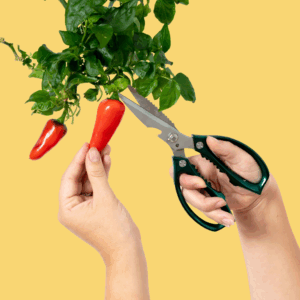 solutions, any required accessories (grow lights are a significant add-on cost for systems that don’t include them), electricity, and subscription or membership fees where applicable. A Gardyn membership covers yCube plant pods, nutrients, and Kelby AI support, consolidating ongoing costs into a predictable monthly amount.
What happens when you’re away
Most tower garden marketing doesn’t address this directly. In practice, real households have busy weeks, travel, and unpredictable schedules. A system that requires daily attention or that can’t sustain plants for more than a day or two without intervention isn’t realistic for most people’s lives.
Gardyn’s reservoir design sustains plants for 7–10 days without intervention. Kelby AI monitors plant health continuously and can alert a trusted contact if water levels drop. For frequent travelers or simply busy households, this isn’t a bonus, it’s what makes consistent growing achievable. Learn more about Kelby.
What to grow in a hydroponic tower garden
One of the most underrated aspects of choosing a tower garden system is the range and quality of plants available for it. Gardyn’s yCube pre-seeded pods cover over 100 varieties, all optimized for Hybriponic™ growing conditions.
Best plants to start with
For new tower garden growers, fast-cycling plants with generous harvests build confidence quickly:
- Basil : ready in 3–4 weeks, continuously productive with regular harvesting
- Butterhead lettuce, sweet, tender, and ready in 3–4 weeks
- Arugula, peppery and fast; great for salads and pizza
- Mint, vigorous, near-indestructible, and productive for months
- Chives, cut-and-come-again herb with very low maintenance requirements
- Kale, nutrient-dense and productive over multiple harvest cycles
Intermediate plants for variety
Once you have a harvest rhythm established, these add culinary range:
- Cherry tomatoes, 6–8 weeks to first harvest; prolific producers once established
- Cilantro : fast-growing; succession-plant every few weeks for continuous supply
- Italian parsley, long-lived, versatile, and tolerant of lower light conditions
- Romaine, sturdy, productive, and excellent for salads and wraps
- Jalapeños : slow to peak but continuously fruiting for months once established
Building a mix that works
The most productive tower garden setups combine fast-cycling herbs and greens (which produce continuously) with a few slower fruiting plants (which take longer but reward patience with months of production). Browse the full yCube plant library to plan your mix, all pods are swappable in seconds when a plant finishes its cycle.
|
Frequently asked questions
What is a tower garden?
A tower garden is a vertical growing system that stacks plant sites in a column or tower format to maximize the number of plants that fit in a small floor footprint. The term covers a range of products from basic soil-based vertical planters to sophisticated hydroponic systems with integrated lighting and smart monitoring. Hydroponic tower gardens, which grow plants in nutrient-enriched water rather than soil, deliver the fastest growth and lowest ongoing maintenance for home growers.
How does a hydroponic tower garden work?
A hydroponic tower garden grows plants in nutrient-enriched water rather than soil. A reservoir at the base holds a nutrient solution that a pump circulates up through the system to plant roots. Roots absorb what they need; the solution drains back to the reservoir and recirculates. This gives plants constant access to precisely calibrated nutrition, producing growth up to 5x faster than soil while using up to 95% less water.
What is the best indoor tower garden?
The best indoor tower garden for most households is one with integrated grow lighting (removing dependence on window light), automated water management (reducing daily maintenance), and a meaningful plant capacity for its footprint. Gardyn Home grows 30 plants in 2 square feet with fully integrated automated lighting and Kelby AI monitoring, making it one of the most capable and lowest-maintenance systems available. Gardyn Studio offers the same technology in a smaller footprint (16 plants, 1.4 sq ft) for smaller kitchens and solo growers.
Do tower gardens need sunlight?
Tower gardens with integrated grow lights do not need natural sunlight : the grow lights handle all lighting requirements. This makes them viable in any room, on any floor, in any window orientation. Tower gardens without integrated lighting depend on natural light and typically require a south or west-facing window with 6+ hours of direct sun : a condition that many indoor spaces, especially apartments, can’t reliably provide. Gardyn’s automated full-spectrum LED system makes window orientation completely irrelevant.
How much space does a tower garden need?
Gardyn Studio requires 1.4 square feet of floor space and approximately 5.5 feet of vertical clearance. Gardyn Home requires 2 square feet and approximately 6 feet of vertical clearance. Both are freestanding : no wall mounting or drilling required.
How long does it take a tower garden to produce food?
In Gardyn’s Hybriponic™ system, fast-growing herbs and greens, basil, mint, arugula, butterhead lettuce, are typically ready for a first harvest in 3–4 weeks. Fruiting plants like cherry tomatoes and jalapeños take 6–8 weeks to first harvest but then produce continuously for months.
How much water does a tower garden use?
Hydroponic tower gardens use dramatically less water than soil gardening, up to 95% less, because water recirculates in a closed loop rather than evaporating or draining away. A Gardyn Home growing 30 plants uses approximately 2 gallons of water per week. A Gardyn Studio growing 16 plants uses approximately 1.5 gallons per week.
Can you grow tomatoes in a tower garden?
Cherry tomatoes grow productively in Gardyn’s hydroponic system. They need more time than herbs and greens, typically 6–8 weeks to first harvest, and benefit from the high-intensity lighting that Gardyn’s integrated LED system provides. Many growers keep 2–3 cherry tomato pods running as permanent fixtures in their system, replacing them when the plants finish their productive cycle.
What is Hybriponic™ technology?
Hybriponic™ is Gardyn’s proprietary hydroponic growing technology, engineered for indoor home use. It manages water delivery, nutrient cycling, and oxygenation automatically, requiring minimal intervention from growers. Combined with Kelby AI monitoring and integrated grow lighting, Hybriponic™ forms the foundation of a system designed to deliver consistent results regardless of the grower’s experience level. Learn more at mygardyn.com/how-it-works.
Are tower gardens worth it?
For households that cook regularly and use fresh herbs and greens frequently, a quality hydroponic tower garden delivers genuine value. The flavor and nutritional quality of produce harvested at home immediately before use is meaningfully higher than store-bought equivalents that have spent days in transit and refrigeration. Over a system’s lifecycle, the per-harvest cost of home-grown herbs and greens typically comes out favorably against grocery equivalents, and the convenience of having fresh ingredients always available changes cooking habits in ways that compound over time.
|