Cookies help us deliver the best experience on our website. By clicking Accept you are agreeing to the placement and use of cookies as described in our privacy policy.


Drying herbs is the most practical way to extend a bumper harvest, preserve woody herbs beyond their fresh window, and build a pantry of herbs you actually grew. Not all herbs dry equally well, some retain most of their flavor, others lose so much in drying that they’re barely worth storing. Here’s the full guide: which herbs to dry, which method to use, and how to store dried herbs properly.
Key takeaways
- Woody herbs (thyme, rosemary, oregano, sage, marjoram) dry excellently, they retain 70–85% of their essential oils
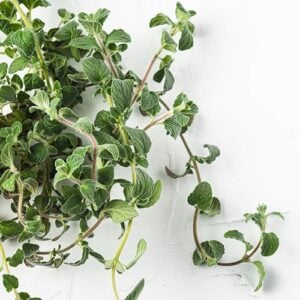 after drying.
 - Tender herbs (basil, cilantro, parsley, mint) lose significant flavor when dried, their volatile compounds evaporate with the water. Better to freeze in oil.
- Air drying is the simplest method and produces the best quality for woody herbs : slow drying preserves more aromatic compounds than high heat.
- Dried herbs should be stored in sealed containers away from light, heat, and humidity : not displayed on a sunny countertop.
- Homegrown herbs dried at home are significantly more flavorful than commercial dried herbs, which may have been stored for months before purchase.
Which herbs dry well vs which to freeze instead
| Herb | Dries well? | Why / Notes | Better to freeze? |
| Thyme | Excellent | High essential oil content; drying concentrates flavor | No, drying preferred |
| Rosemary | Excellent | Very high oil content; retains near-fresh potency | No, drying preferred |
| Oregano | Excellent | Actually intensifies on drying; dried often preferred to fresh | No, drying preferred |
| Sage | Very good | Earthy notes concentrate well; slightly more potent dried | No, drying preferred |
| Marjoram | Very good | Similar to oregano; handles drying well | No, drying preferred |
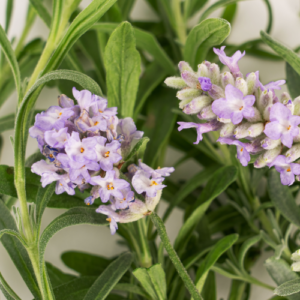
| Lavender | Excellent | Flower and leaves dry beautifully for culinary and aromatic use | No |
| Basil | Poor | Loses most aromatic brightness; dried basil is a pale imitation | Yes, freeze in oil |
| Cilantro | Poor | Volatile compounds evaporate; dried cilantro has little flavor | Yes, freeze in oil |
| Parsley | Moderate | Loses some brightness but acceptable for cooking; better fresh | Acceptable either way |
| Mint | Moderate | Acceptable dried for teas; loses subtlety for culinary use | Fine either way |
| Chives | Poor | No useful flavor remaining after drying | Yes, freeze chopped |
| Dill | Poor | Fresh dill and dried dill taste markedly different | Yes, freeze in oil |
Three methods for drying herbs
Method 1: air drying (best quality, slowest)
Air drying at room temperature is the gold standard for woody herbs. The slow, low-temperature process preserves aromatic compounds that are damaged by heat.
- Harvest herbs in the morning after dew has evaporated but before the heat of the day, this is when essential oil concentration peaks.
- Rinse and pat dry thoroughly. Any remaining moisture will cause mold during drying.
- Remove lower leaves from the bottom inch of stem. Bundle 5–8 stems together with twine or a rubber band.
- Hang bundles upside down in a warm, dry, well-ventilated space away from direct sunlight. A pantry, closet, or covered porch works well.
- Drying time: 1–3 weeks depending on humidity and herb type. Herbs are ready when the leaves crumble easily between fingers.
Best for: thyme, rosemary, oregano, sage, lavender.
Method 2: oven drying (faster, moderate quality)
Oven drying is significantly faster than air drying but uses heat that evaporates some volatile aromatic compounds. Use the lowest temperature your oven will go, 170°F or below.
- Preheat oven to its lowest setting (170°F or lower). Leave the door slightly open for airflow.
- Wash and dry herbs thoroughly. Spread in a single layer on a baking sheet or oven rack. Leaves should not overlap.
- Dry for 2–4 hours, checking every 30 minutes. Herbs are ready when they crumble easily.
- Cool completely before storing, any residual heat will create condensation in the container.
Best for: Situations where speed matters more than maximum flavor retention. All woody herbs. Also works for parsley and mint when fresh use isn’t possible.
Method 3: dehydrator (best control)
A food dehydrator provides the best combination of speed and quality, consistent low heat with controlled airflow removes moisture without the temperature spikes of an oven.
- Wash and dry herbs. Arrange in a single layer on dehydrator trays.
- Set temperature to 95–115°F. Lower temperatures preserve more volatile compounds.
- Run for 2–4 hours, checking periodically.
Best for: Anyone processing significant quantities of herbs regularly. The investment in a dehydrator pays off quickly for serious herb growers.
Storing dried herbs correctly
Most of the quality degradation in dried herbs happens during storage, not drying. Common mistakes:
- Displayed on the counter in clear jars near the stove: Light, heat, and humidity are the three enemies of dried herb quality. The stove counter is the worst possible storage location.
- Not sealed properly: Mason jars with tight lids, or purpose-built herb storage jars. Not paper bags or loosely covered containers.
- Keeping them too long: Dried herbs retain significant flavor for 1–2 years maximum. After that, they contribute color but little flavor. Date your jars.
Correct storage: Airtight glass containers in a cool, dark pantry or cabinet away from the stove. Labelled with herb name and drying date.
When homegrown dried herbs beat commercial dried herbs
Commercial dried herbs are often significantly older than their packaging suggests. The supply chain, harvest, processing, packaging, warehouse storage, retailer shelf, commonly spans 12–24 months before the herb reaches your pantry. By that point, much of the volatile aromatic compound content has dissipated, leaving herbs that provide color and very mild flavor but not the intensity the recipe expects.
Herbs dried at home from a Gardyn system start at peak aromatic concentration, harvested at the right moment and dried immediately. The quality difference is most pronounced for thyme, rosemary, and oregano, which commercial sources often handle poorly.
|
| Grow more than you can use fresh. Dry the rest. |
| Thyme, rosemary, oregano, sage, all grow continuously in a Gardyn system. Dry the surplus and build a home-grown herb pantry. |
Further reading: UC Davis Postharvest Technology Center — Drying and dehydrating herbs; NIH — Retention of bioactive compounds in dried herbs vs fresh; USDA NCHFP — Preserving herbs: drying methods compared
Frequently asked questions
What is the easiest herb to dry?
Thyme, rosemary, and oregano are the easiest, their woody stems and high essential oil content make them extremely forgiving. They air-dry reliably without mold, retain flavor well, and don’t require any special technique.
Can you dry basil?
Technically yes, but the result is a pale imitation of fresh basil. Basil’s primary aromatic compounds (linalool, eugenol) are highly volatile and largely evaporate during drying. Dried basil smells and tastes noticeably weaker than fresh. The better preservation method for basil is freezing in olive oil, see: how to store fresh herbs.
How long do home-dried herbs last?
Properly stored in airtight containers in a cool, dark location: 1–2 years for whole dried herb leaves. Ground or crumbled dried herbs: 6–12 months (more surface area exposed to oxygen accelerates degradation). Date your jars and replace when the herb has lost its aromatic punch.
Is there a difference between home-dried herbs and store-bought?
Yes, significantly. Home-dried herbs start at higher aromatic concentration (fresh from a living plant) and are dried immediately. Commercial dried herbs often pass through 12–24 months of supply chain handling before purchase. The quality difference is particularly pronounced for thyme, rosemary, and oregano.