Cookies help us deliver the best experience on our website. By clicking Accept you are agreeing to the placement and use of cookies as described in our privacy policy.


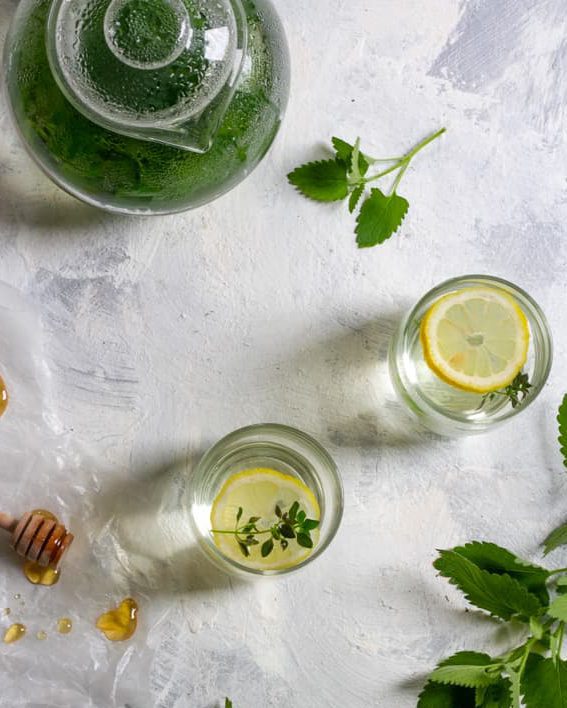
8 fresh herb cocktails to make all summer
The difference between a forgettable cocktail and a memorable one is often a single fresh herb. Eight cocktails below are built around herbs you can grow in two square feet
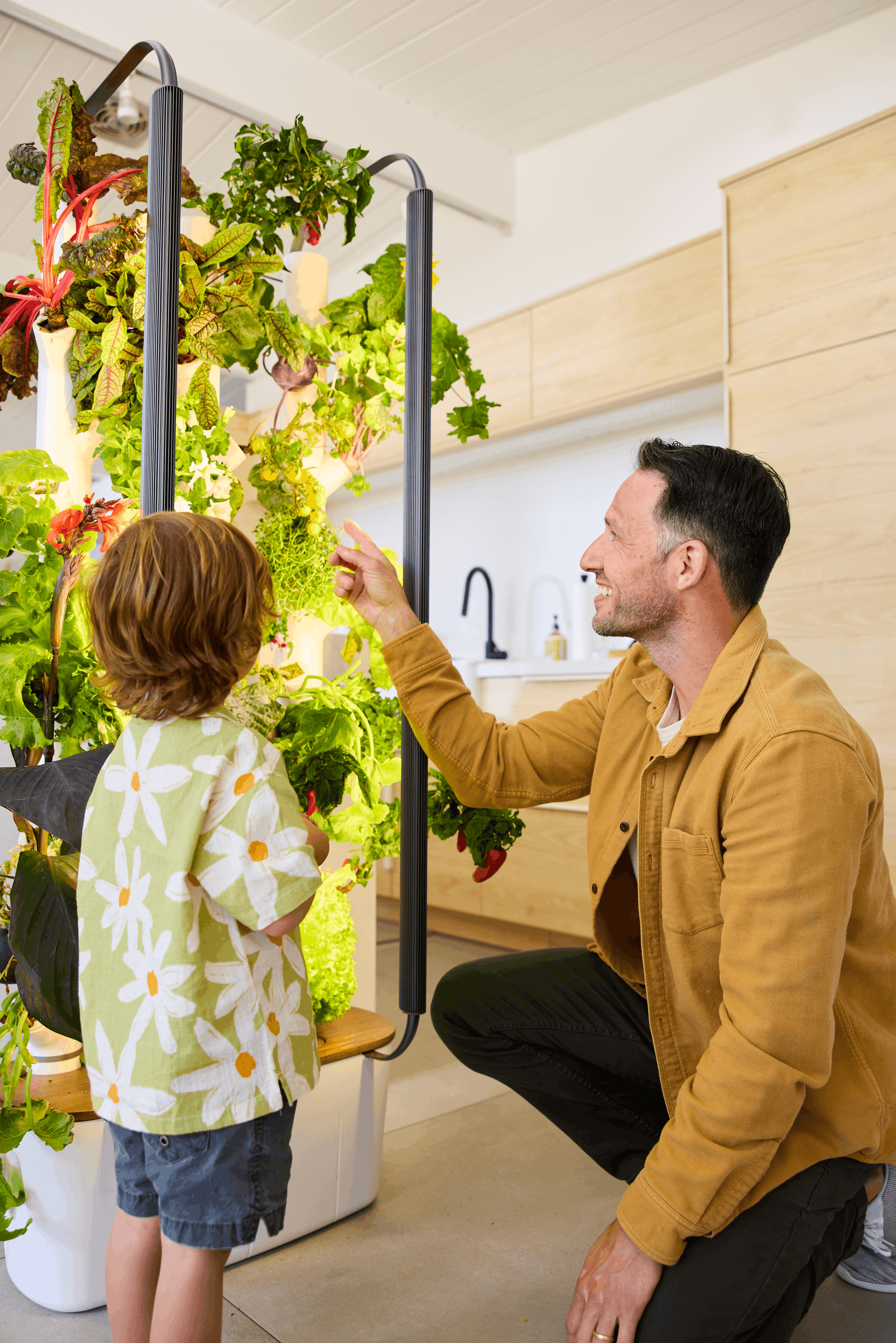
Small-space summer cooking: what you can grow in 2 sq ft
Apartment living is supposed to mean giving up on growing your own food. No yard, no balcony, not enough light, not enough space. The default assumption is that a serious

The easiest summer meal you can make: 15-minute dinners from your indoor garden
Summer dinner has a structural problem. The heat kills your appetite for heavy meals. “Throw something together” usually means takeout. The fridge contains grocery greens that wilted on day three,

How to grow cherry tomatoes indoors all summer (and into fall)
Cherry tomatoes are the most rewarding plant you can grow indoors. They start ripening at the front edge of summer, peak through July and August, and (in the right setup)

How to keep your indoor garden alive while you’re on vacation
The summer travel calendar is the single biggest reason people give for not starting an indoor garden. The fear is real and the question is reasonable: what happens to the
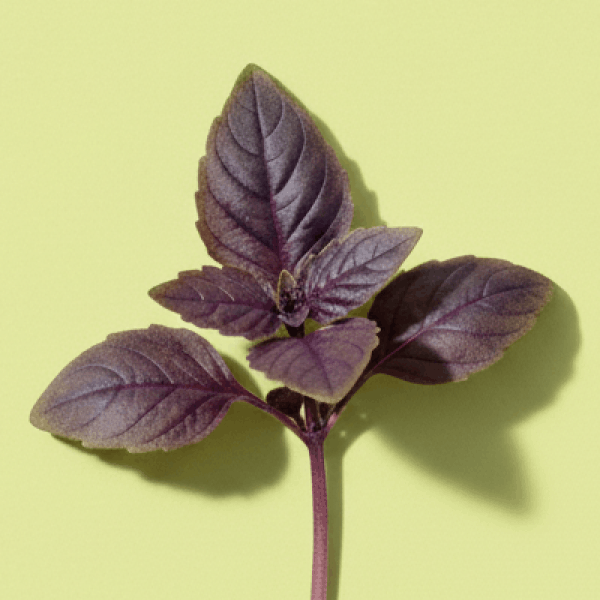
Purple basil 101: growing, cooking, and the trick to pink basil vinegar
Purple basil is the variety most home cooks have never used and most professional kitchens lean on constantly. The deep purple-black leaves are stunning visually, the flavor profile is spicier

Gazpacho and 3 other cold soups to make all summer
Cold soup is the dish for the hottest weeks of summer. No stove, no fuss, ready in 15 minutes, and a single batch in the fridge handles three or four
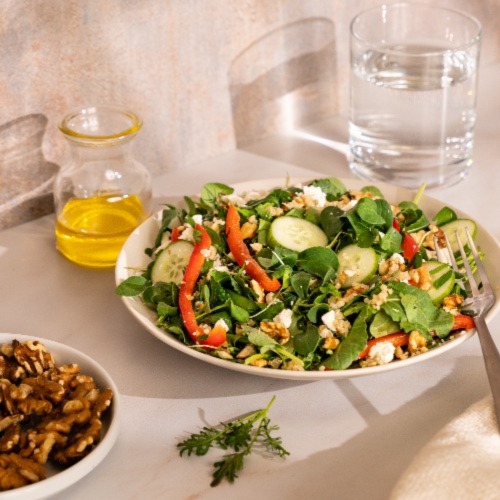
Watermelon salad recipes: 5 ways to make summer’s perfect side
Watermelon salad is the cookout side that always disappears first. Cold, sweet, salty, herbal, and built in five minutes. The catch is that grocery basil and mint are usually limp

How to eat for seasonal allergies: the produce that actually helps
Most articles about foods for seasonal allergies pad themselves with extremes (drink raw apple cider vinegar, take spirulina, juice celery on an empty stomach). The research is much more measured
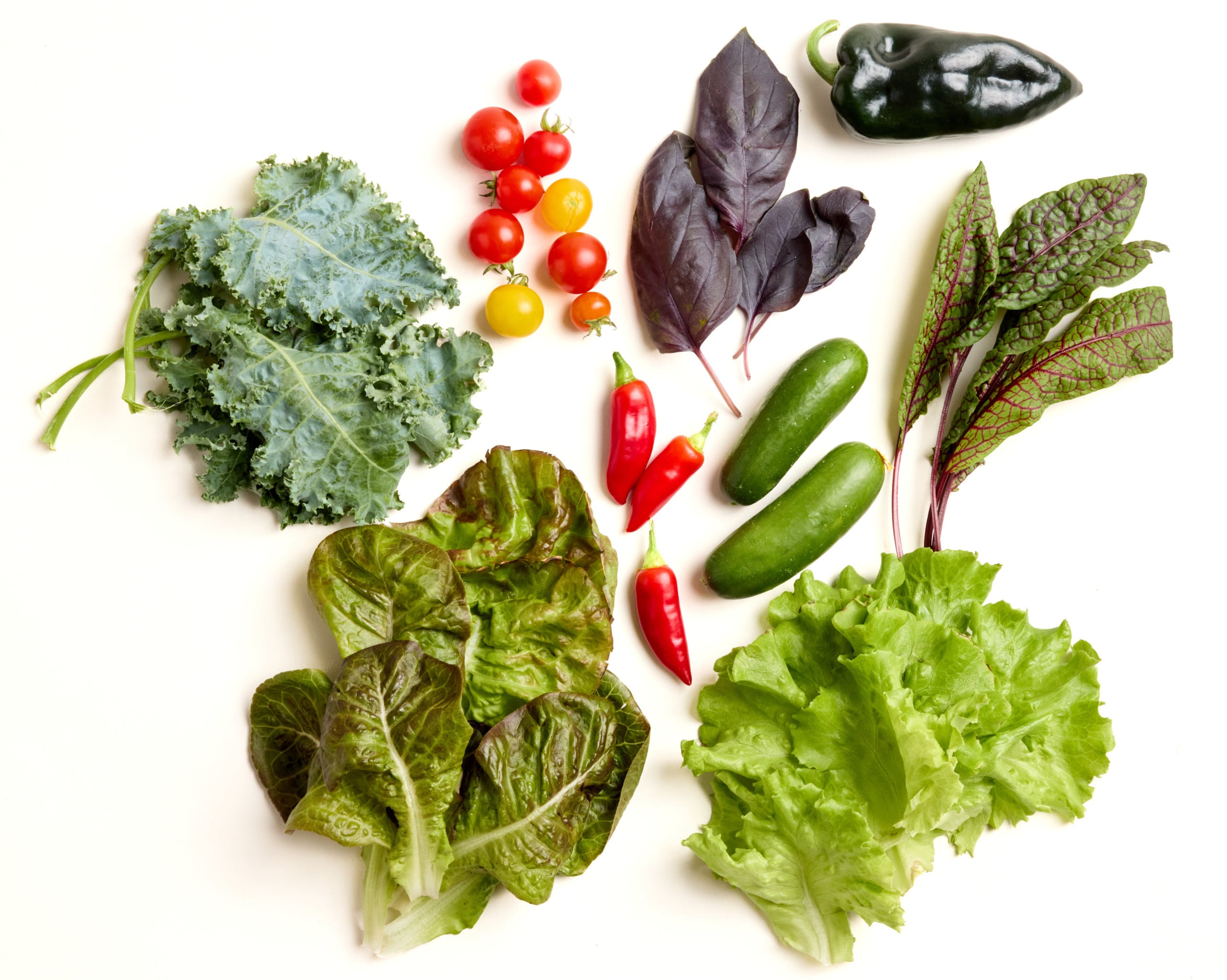
5 specialty greens worth growing this summer
Walk into any grocery store in America and you find the same five leafy greens: iceberg, romaine, spring mix, baby spinach, kale. The bagged salads vary on the margins but