Cookies help us deliver the best experience on our website. By clicking Accept you are agreeing to the placement and use of cookies as described in our privacy policy.


The claim that plants reduce stress has become a staple of wellness content. What is less common is an honest accounting of what the research actually shows, what is measured, what the effect sizes are, and what the proposed mechanisms are. This article goes through the peer-reviewed evidence specifically on cortisol — the most objective and measurable stress biomarker — and the role of indoor plants in modulating it.
Key takeaways

- Active food growing engagement (gardening, horticultural therapy) shows robust and replicated stress reduction effects including measurable cortisol reductions. Passive indoor plant presence has weaker and less consistent evidence.
- A 2015 meta-analysis in Preventive Medicine Reviews found horticulture-based interventions significantly improved depression and anxiety across 22 eligible studies.
- Japanese ‘Shinrin-yoku’ (forest bathing) research has found cortisol reductions of 12 to 16% from 20 to 30 minutes of exposure to natural environments — with multiple replicated trials.
- Magnesium from leafy greens (spinach, Swiss chard) directly moderates the cortisol stress response — chronic cortisol elevation depletes magnesium, and low magnesium worsens the HPA axis response.
- Vitamin C from watercress and kale directly supports adrenal function — adrenal glands concentrate vitamin C at levels 100 times higher than blood plasma and release it alongside cortisol during stress.
- A daily harvest ritual provides both the behavioral stress reduction effects of purposeful plant engagement and the nutritional support (magnesium, vitamin C) for the physiological stress response.
What cortisol is and why it matters
Cortisol as a stress biomarker
Cortisol is the primary glucocorticoid produced by the adrenal cortex in response to stress signalling from the hypothalamic-pituitary-adrenal (HPA) axis. It rises acutely in response to physical or psychological stressors and follows a diurnal pattern with highest levels in the morning and declining through the day. Chronically elevated cortisol is associated with increased inflammation, suppressed immune function, disrupted sleep, weight gain, and accelerated cognitive ageing.
What the research shows: passive plant exposure
Several studies have measured cortisol before and after participants viewed natural scenes including plants, compared to urban or non-natural scenes. Japanese studies on Shinrin-yoku have found cortisol reductions of 12 to 16 percent from 20 to 30 minutes of exposure to forest environments. The extension to indoor houseplants is plausible but not as directly demonstrated — studies specifically on indoor plants have shown smaller and less consistent effects.
| What the evidence does not yet show
There is no well-powered randomized controlled trial demonstrating that adding a houseplant to an otherwise unchanged indoor environment produces measurable salivary cortisol reductions in healthy adults over weeks of observation. The effect of passive indoor plant presence on cortisol is plausible and consistent with the broader research direction but is not yet established with the same rigour as the outdoor nature research. |
What the research shows: active plant engagement
Horticultural therapy
A 2015 meta-analysis published in Preventive Medicine Reviews found significant reductions in cortisol, anxiety scores, depression symptoms, and self-reported stress in clinical populations engaging in horticultural therapy programmes across 22 eligible studies.
Benefits of horticultural therapy covers the therapeutic research base in more detail.
Home food growing specifically
A 2011 study in the Journal of Health Psychology found that brief gardening activity (30 minutes of outdoor gardening) produced significant cortisol reductions and improved mood compared to indoor reading. A Dutch study found that garden allotment holders had significantly lower cortisol profiles than matched non-gardeners. The active, physical, and purposeful engagement of growing food appears to produce stronger stress-modulating effects than passive plant presence.
 The nutritional side: plants that modulate cortisol biochemistry
Magnesium depletion and cortisol
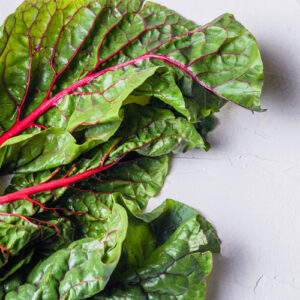
Chronic cortisol elevation increases urinary magnesium excretion, and low magnesium worsens the HPA axis stress response — creating a reinforcing cycle. Eating magnesium-rich greens (spinach, Swiss chard) consistently helps maintain the magnesium levels that moderate the cortisol response to stress.
Vitamin C and adrenal reserve
Adrenal glands require vitamin C for cortisol synthesis and regulation. Fresh greens including watercress and kale are meaningful vitamin C sources that support adrenal function. Harvesting and eating them daily provides both the behavioural (engagement with growing) and nutritional (vitamin C delivery) dimensions of cortisol support simultaneously.
How Gardyn makes life less stressful and the benefits of bringing nature inside.
Frequently asked questions
Do indoor plants actually reduce stress, or is this marketing?
The research on active plant engagement (gardening, horticulture) shows robust stress reduction effects including measurable cortisol reductions. Passive indoor plant exposure has weaker and less consistent evidence. The more meaningful claim is for active food growing engagement, which has a substantial research base.
How much time with plants is needed for a cortisol effect?
Outdoor gardening studies typically use 20 to 30-minute sessions and find significant cortisol reductions within that window. Daily brief engagement (a daily harvest ritual of 5 to 10 minutes) appears sufficient to build the habit-based stress management effects.
Is there a difference between growing food and growing ornamental plants for stress?
The research suggests yes. Active food growing involves more complete engagement including physical activity, purposeful outcome, and consumption — all of which contribute to stress reduction through multiple pathways.