Cookies help us deliver the best experience on our website. By clicking Accept you are agreeing to the placement and use of cookies as described in our privacy policy.


Approximately 81 million Americans have seasonal allergic rhinitis, and spring is the peak season. Pollen triggers the cascade of histamine release, mast cell degranulation, and inflammatory signalling that produces the familiar combination of congestion, itchy eyes, sneezing, and fatigue.
Antihistamine medications address one part of this response. What most people do not know is that certain dietary compounds — particularly quercetin and related flavonoids — can modulate the mast cell response itself, potentially reducing the severity of symptoms before they start. Several of these compounds are found in plants you can grow at home.
Key takeaways
- Quercetin inhibits histamine release from mast cells and basophils, phosphodiesterase, and lipoxygenase — addressing both the initial
 histamine response and the downstream leukotriene inflammatory amplification.
 - Fresh basil contains approximately 1.6 to 2.0mg of quercetin per gram — some of the highest concentrations of any commonly grown culinary herb.
- Rosmarinic acid in basil and oregano was shown to reduce allergy symptoms in a human clinical trial (2004), making it one of the stronger dietary anti-allergy compounds with human evidence.
- Food-derived quercetin comes with cofactors — particularly vitamin C and other flavonoids — that enhance absorption and may produce effects at lower doses than isolated supplements.
- Daily consistency matters more than periodic high doses for the mast cell stabilisation mechanism — which is why home growing, enabling daily fresh herb access, is directly relevant.
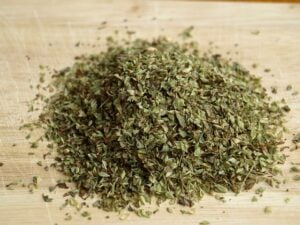
- Drying herbs at standard temperatures reduces rosmarinic acid by 30 to 80% depending on method — fresh herbs from a home system deliver the compound at full concentration.
How seasonal allergies work
The mast cell and histamine cascade
When pollen proteins reach the mucous membranes of the nose and eyes, they bind to IgE antibodies on the surface of mast cells. This triggers degranulation: the mast cell releases a burst of histamine and other inflammatory mediators. Antihistamines block H1 receptors so histamine cannot bind. Quercetin’s proposed mechanism is similar to mast cell stabilisation — inhibiting the initial degranulation event rather than blocking downstream receptors.
| What the research does and does not show
Most quercetin allergy research has been conducted in cell culture or animal models. Human clinical trials are limited. The evidence supports quercetin as a promising mast cell modulator, not as a proven treatment. It should be seen as a dietary complement to, not a replacement for, medical allergy management. |
Quercetin: the natural mast cell stabiliser
Quercetin is a flavonoid found throughout the plant kingdom. In allergy research, its primary mechanism of interest is inhibition of histamine release from mast cells and basophils — demonstrated in multiple in vitro studies and some animal models. A 2016 review in Nutrients documented quercetin’s antihistamine and mast cell stabilising properties alongside its inhibition of inflammatory cytokines including TNF-α and IL-6.
The homegrown plants highest in quercetin
Basil: the highest-quercetin herb you can grow at home
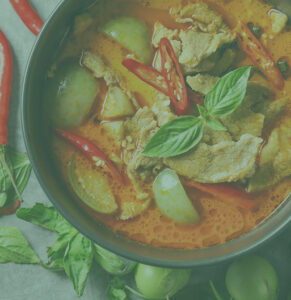
Sweet basil contains approximately 1.6 to 2.0mg of quercetin per gram alongside rosmarinic acid. A 2004 randomised controlled trial in Allergy found rosmarinic acid effective in reducing allergy symptoms in mild seasonal allergy sufferers. Genovese basil has the highest rosmarinic acid content among sweet basil varieties.
Grow basil at home. See types of basil for variety selection.
Oregano: rosmarinic acid and quercetin
Oregano is one of the richest sources of rosmarinic acid in the culinary herb world, exceeding even basil. It also contains significant quercetin and carvacrol. Fresh oregano is substantially more potent than dried for these compounds — making home growing particularly relevant.
Thyme: luteolin and quercetin together
 Thyme contains quercetin, luteolin, and apigenin — three flavonoids that have demonstrated mast cell stabilising activity in laboratory studies. Fresh thyme is substantially more potent than dried for volatile compounds.
Cilantro: quercetin and antihistamine flavonoids
Cilantro contains quercetin alongside kaempferol and luteolin, two other flavonoids with demonstrated anti-inflammatory activity. It also contains rutin, which has been shown in some studies to inhibit the enzyme that activates allergen proteins.
Grow cilantro at home and how to grow cilantro indoors.
Other dietary strategies that support allergy management
Vitamin C: antihistamine synergy
Vitamin C has mild antihistamine activity and significantly enhances quercetin absorption. Watercress, kale, and sweet peppers are all high in vitamin C and available as Gardyn yCubes. Pairing them with quercetin-rich herbs in the same meal improves bioavailability of both.
A daily allergy-support herb plan
- Morning: fresh basil in eggs or on toast — one tablespoon adds approximately 3mg of quercetin and meaningful rosmarinic acid
- Midday: fresh oregano dressing — chop fresh oregano into olive oil, lemon, and garlic for a quercetin and rosmarinic acid-rich dressing
- Cilantro over any protein or grain bowl adds kaempferol and quercetin with minimal effort
- Evening: fresh basil pesto made from home-grown basil delivers rosmarinic acid in a meaningful dose per serving
Five ways to use fresh herbs for additional ideas.
Frequently asked questions
Can diet really help with seasonal allergies?
Diet can modulate the severity of the allergic response through mast cell stabilisation (quercetin, rosmarinic acid), anti-inflammatory mechanisms (omega-3s, antioxidants), and antihistamine synergy (vitamin C). It does not replace medical treatment for moderate to severe allergies but can reduce symptom burden meaningfully in mild cases.
How much quercetin do I need to see an effect?
Human studies on quercetin supplementation typically use doses of 500 to 1,000mg daily — far more than diet alone provides. However, food-derived quercetin comes with synergistic cofactors and may produce effects at lower doses. Consistency of daily intake appears more important than any single large dose.
Does cooking destroy quercetin?
Quercetin is relatively heat-stable. Brief cooking at moderate temperatures causes modest losses. Prolonged high heat and boiling cause greater losses. Using fresh herbs added at the end of cooking preserves the most flavonoid content.