Cookies help us deliver the best experience on our website. By clicking Accept you are agreeing to the placement and use of cookies as described in our privacy policy.


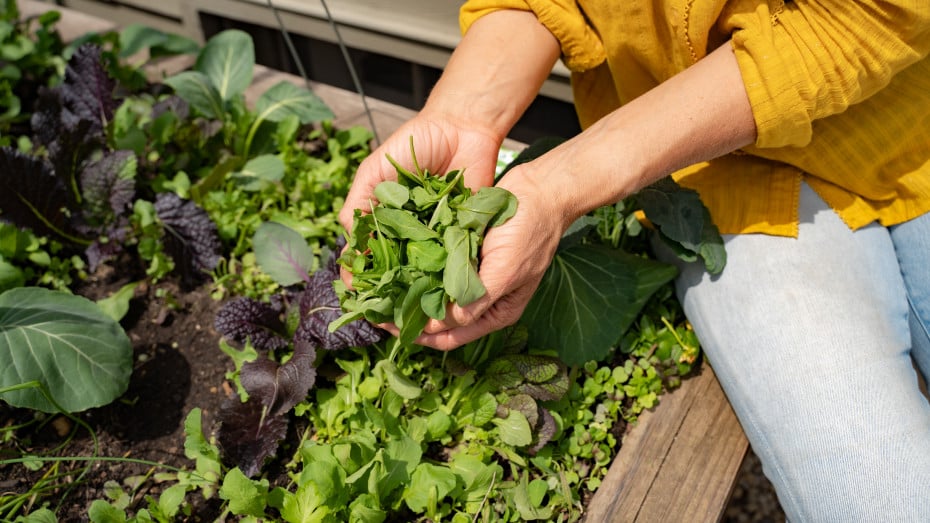
Arugula health benefits: glucosinolates, nitrates, and bone health
The peppery bite of arugula is not just a flavour characteristic. It is the sensory signal of glucosinolate content, the sulfur-containing plant compounds that convert to isothiocyanates during digestion and
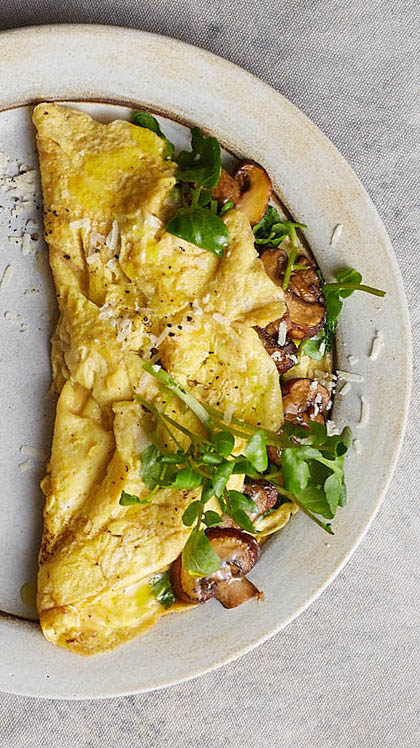
Watercress nutrition: why it tops the CDC nutrient density chart
Watercress is not a trendy superfood. It is the food that scored 100 out of 100 on the CDC’s rigorous nutrient density assessment — the only food to achieve a
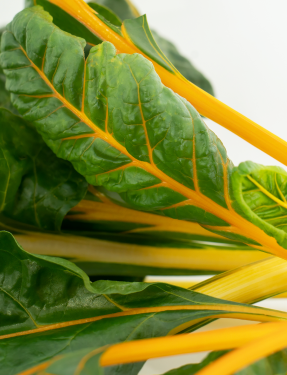
Indoor plants and cortisol: what the research actually shows
The claim that plants reduce stress has become a staple of wellness content. What is less common is an honest accounting of what the research actually shows, what is measured,
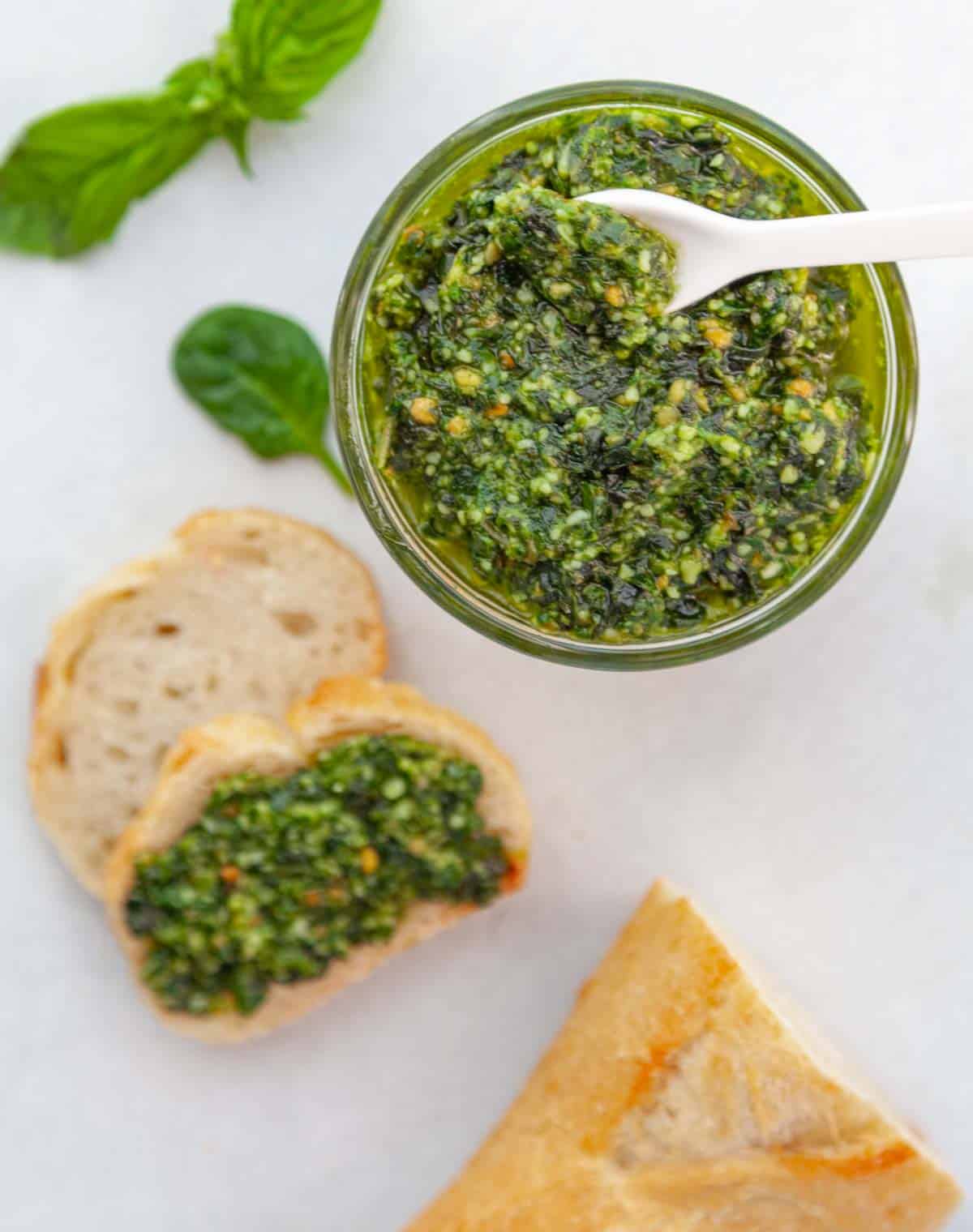
Pesticides on spinach: what the data shows and how to avoid them
Spinach has ranked at or near the top of the Environmental Working Group’s Dirty Dozen list for several consecutive years, including the 2026 list where it holds the number one
Does washing produce remove pesticides? The science explained
Washing produce before eating it is standard food safety advice. For bacterial contamination from handling, transport, and field conditions, washing is genuinely effective and critically important. For pesticide removal, the
Frozen vs. fresh vs. home-grown produce: which is actually most nutritious?
The hierarchy seems obvious: fresh is best, frozen is a compromise, and home-grown is somewhere beyond both. This intuition is partly right and partly wrong in ways that are nutritionally

Hydration and fresh produce: water-rich plants to grow in spring
Most hydration advice focuses on what you drink. The role of food in daily water intake is consistently underestimated. Many adults get 20 to 30 percent of their daily water
Vitamin D gaps in spring: how fresh food fills the deficit
Vitamin D deficiency peaks in February and March, at the end of the season with the least sunlight exposure. By April, sun angles are improving in most of North America,
Growing food indoors as a stress management practice
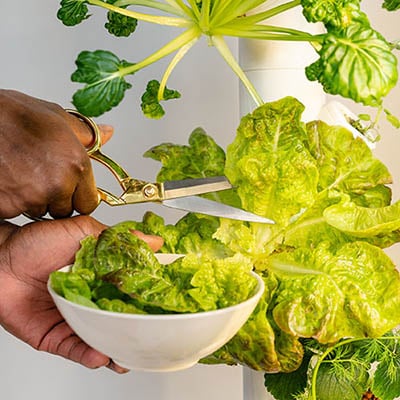
Most stress management advice falls into one of two categories: cognitive interventions (reframing, journalling, therapy) or physical ones (exercise, breathing, sleep hygiene). What rarely appears on these lists is growing
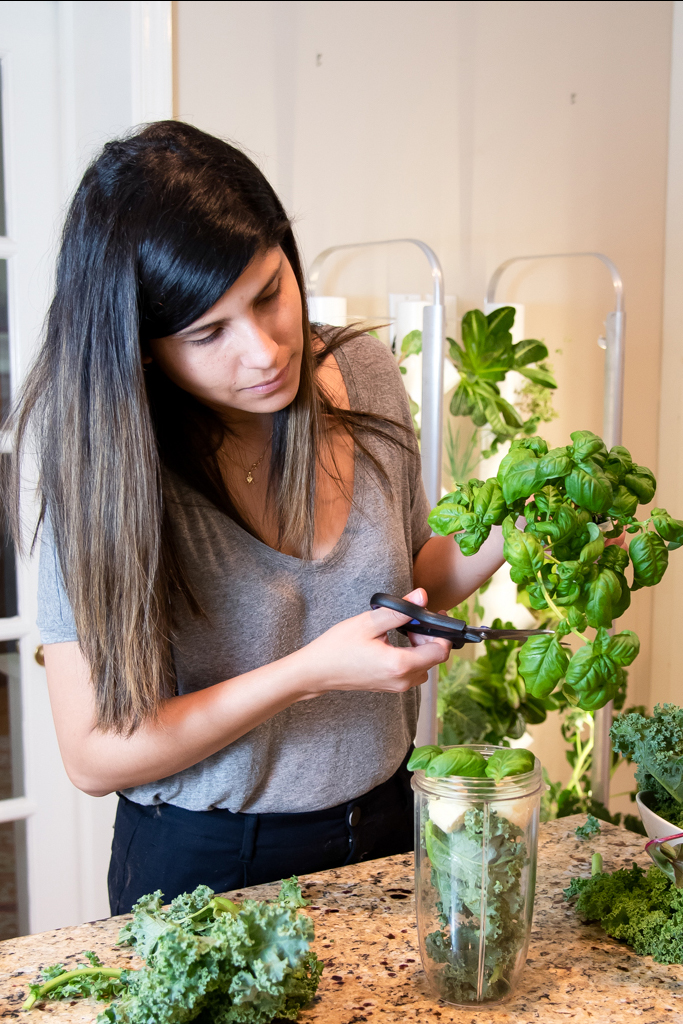
Hydroponic vs. conventional produce: is the nutrition different?
When people consider hydroponic growing, one question comes up consistently: is produce grown in water as nutritious as produce grown in soil? It is a fair question, and the answer