Cookies help us deliver the best experience on our website. By clicking Accept you are agreeing to the placement and use of cookies as described in our privacy policy.


Anyone who has tasted grilled chicken brushed with fresh rosemary versus the dried jar version knows the difference is not subtle. Fresh herbs on the grill are the easiest upgrade in cooking, and the only thing keeping most home cooks from making it is the supply chain. Grocery herbs are wilted, expensive in the small quantities you need, and never available at the moment you actually want them.
Here are the seven herbs worth growing indoors for grilling season, what each one is best for, and a few specific cookout-ready uses you can put to work this weekend.
Key takeaways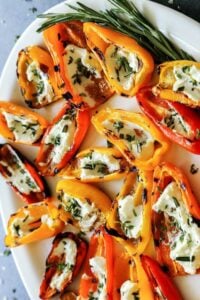
- The best herbs for grilling are the woody, oil-loving Mediterranean ones: rosemary, thyme, oregano, sage, and basil. Add chives and parsley for finishing.
- Fresh herbs change grilled food more than any other single ingredient because of the volatile flavor compounds that disappear from dried versions.
- Each herb has a different best use: rosemary for red meat, thyme for everything, oregano for chicken and lamb, sage for pork, basil for vegetables and finishing.
- Herb bundles tossed directly on the coals create aromatic smoke that flavors anything cooking above them.
- An indoor garden gives you cookout-ready herbs at any hour, with no last-minute grocery run.
Why fresh herbs matter so much for grilling
Grilled food is intense. High heat, char, smoke, fat. The seasoning has to stand up. Dried herbs work in long-cooked dishes because they have time to rehydrate and integrate. On a grill, the cook time is short and the surface is hot. Dried herbs scorch and never integrate. Fresh herbs hold their oils, release their aromatic compounds in the heat, and stay on the food.
This is why the best grilling traditions of the world (Mediterranean, Middle Eastern, Mexican, Argentinian) all run on fresh herbs. The flavor of grilled food without fresh herbs is a different dish.
Rosemary: the red meat herb
Rosemary is the workhorse of grilled beef and lamb. The piney, resinous flavor cuts through fat and char in a way no other herb can match.
Best uses for grilled cooking
- Strip a rosemary sprig and chop the needles into a marinade for steak or lamb chops with garlic, olive oil, and lemon zest.
- Lay whole rosemary branches directly on the grates under your protein. They smolder and infuse the food with smoke.
- Skewer cherry tomatoes or mushrooms on rigid rosemary stalks for built-in seasoning.
Thyme: the universal grilling herb
Thyme works on essentially everything you put on a grill. It’s less assertive than rosemary, more versatile than oregano, and pairs with chicken, fish, vegetables, and red meat equally well.
Best uses for grilled cooking
- Strip thyme leaves into compound butter, then top hot grilled steak with the butter as it melts.
- Tuck whole thyme sprigs under chicken skin before grilling.
- Add fresh thyme to marinades for any white fish (the herb doesn’t overwhelm the delicate flavor).
Oregano: the chicken and lamb herb
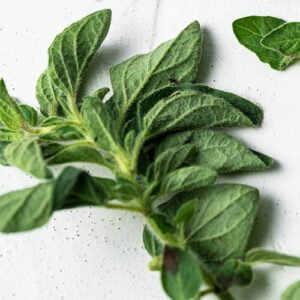 Oregano is the foundation of Greek and Italian grilling. The flavor is brighter and more pungent than thyme, with a slight bitterness that balances rich grilled meats.
Best uses for grilled cooking
- Mix chopped fresh oregano with lemon juice, olive oil, garlic, and salt for the classic Greek lamb or chicken marinade.
- Sprinkle finely chopped oregano over grilled vegetables (zucchini, eggplant, peppers) just before serving.
- Add fresh oregano to chimichurri-style sauces for grilled steak.
Sage: the pork herb
Sage has a deep, earthy, slightly menthol flavor that pairs specifically well with fatty meats, especially pork. Most grillers underuse it.
Best uses for grilled cooking
- Chop sage into compound butter and finish grilled pork chops with it.
- Add whole sage leaves to a pork tenderloin marinade with garlic, brown sugar, and balsamic.
- Wrap sage leaves around sausages before grilling for built-in flavor.
| “Fresh herbs are the single biggest leverage point in grilling. You can have an average cut of meat and great fresh herbs and you will out-cook a great cut of meat with no herbs.”
Gardyn test kitchen |
Basil: the vegetable and finishing herb
Basil doesn’t go on the grill (it scorches). It goes on the finished dish, especially grilled vegetables, grilled tomatoes, and grilled flatbreads.
Best uses for grilled cooking
- Top grilled summer vegetables (zucchini, eggplant, peppers, corn) with torn fresh basil and olive oil.
- Use whole basil leaves in grilled caprese skewers (cherry tomato, mozzarella, basil, drizzle of balsamic).
- Make a basil-heavy chimichurri for grilled chicken or fish.
Chives: the finishing flourish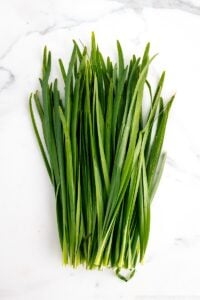
Chives add a mild onion brightness without the bite of raw onion. Snip them over almost anything coming off the grill.
Best uses for grilled cooking
- Top grilled fish, shrimp, or scallops with chopped chives just before serving.
- Mix chives into compound butter for grilled corn on the cob.
- Sprinkle over grilled potatoes with sour cream.
Italian parsley: the brightening herb
Italian (flat-leaf) parsley is the bridge between grilled food and freshness. It cleans the palate, lifts heavy flavors, and is the base of chimichurri.
Best uses for grilled cooking
- Make classic Argentinian chimichurri: parsley, oregano, garlic, red wine vinegar, olive oil, red pepper flakes. Spoon over grilled steak.
- Mix chopped parsley with lemon zest and garlic (gremolata) and top grilled lamb or fish.
- Add to any marinade for brightness.
The herb bundle trick: aromatic smoke for anything
Tie a bundle of mixed fresh herbs (rosemary, thyme, sage) with kitchen twine. Soak briefly in water. Toss directly onto hot coals or a gas-grill smoker box. The herbs smolder and produce aromatic smoke that flavors whatever’s cooking above them. This works for chicken, pork, lamb, vegetables, and seafood alike, and uses up herb cuttings that might otherwise be discarded.
The cookout-ready herb column
A single Gardyn Home grows all seven of the herbs above plus enough room for cherry tomatoes and salad greens to round out the cookout menu. The column produces continuously through grilling season, so you have fresh rosemary, thyme, oregano, sage, basil, chives, and parsley available every weekend without a grocery trip.
|
Frequently asked questions
Which herbs should I plant first for grilling season?
Start with rosemary, thyme, and basil. These three cover roughly 80 percent of grilling uses: rosemary for red meat, thyme for everything else savory, basil for finishing and vegetables. Add oregano and sage once those are established.
Can I dry my fresh herbs to save for winter grilling?
Yes, but dried herbs work differently than fresh. Use them in marinades and long cooks (braises, smoked meats) rather than as fresh finishers. For year-round fresh, an indoor garden produces continuously through winter as well.
Do herbs really make that much difference on the grill?
Yes. The volatile compounds in fresh herbs (essential oils that give each herb its character) are mostly absent from dried versions. On high heat, fresh herbs release these compounds and integrate with the food. Dried herbs just sit on the surface and burn.
What about cilantro for grilling?
Cilantro is excellent for finishing grilled food, especially in Mexican and Southeast Asian cooking. It doesn’t hold up to direct heat, so use it as a finisher (tossed on at the end) rather than in a marinade or directly on the grill.
How do I store leftover fresh herbs between cookouts?
An indoor garden eliminates this problem because you pick only what you need. If you have cut herbs leftover from a grocery purchase, wrap them in a damp paper towel and store in a sealed container in the fridge. They’ll hold for three to five days.
What’s the best herb for grilled fish?
Thyme and dill are the classics. For more assertive fish (salmon, mackerel), rosemary or oregano. For delicate white fish, stick with thyme, chives, or fresh basil added at the end.