Cookies help us deliver the best experience on our website. By clicking Accept you are agreeing to the placement and use of cookies as described in our privacy policy.


It’s April, the days are getting longer, and you are more tired than you were in January. This is a common experience and one that does not make obvious sense on the surface. Longer days should mean more energy. More sunlight should help. So why does spring so often arrive with a period of unusual fatigue?
The answer sits at the intersection of circadian biology, winter nutritional depletion, and the body’s response to shifting light cycles. The good news is that specific dietary changes, particularly adding fresh homegrown greens, address several of the underlying causes directly and measurably.
Key takeaways
- Spring fatigue has multiple documented physiological causes: circadian disruption during the seasonal transition, accumulated
 nutritional deficits from winter, and increased metabolic demands as activity levels rise.
 - Iron deficiency and low ferritin (stored iron) are among the most common and most frequently missed dietary causes of spring fatigue, standard blood panels can be normal while ferritin is depleted.
- Folate losses of 40 to 77% in refrigerated spinach within 8 days of harvest mean that store-bought greens deliver significantly less of this energy-critical B vitamin than the label suggests.
- Vitamin C is required for carnitine synthesis, a compound needed for fatty acid transport into mitochondria for energy production, low vitamin C causes fatigue independently of anemia.
- Spinach addresses more spring fatigue mechanisms than any other single green: iron, folate, magnesium, vitamin C, and lutein for eye adaptation to brighter spring light.
- Home-grown spinach consumed within minutes of harvest delivers folate and vitamin C at near-peak values, the nutrients most critical for energy metabolism and most degraded by the commercial supply chain.
Why spring fatigue happens
The circadian disruption of seasonal transition
Your circadian rhythm is calibrated to light. Over winter, shorter days shift your melatonin onset earlier and your cortisol morning peak later. When spring arrives and day length extends rapidly, your body’s timing system has to resynchronize. This recalibration is metabolically costly and produces a transitional period of disrupted sleep quality and daytime grogginess that can last two to four weeks.
Accumulated nutritional deficits from winter
Winter eating patterns in most households are lower in fresh fruits and vegetables and higher in calorie-dense, lower-micronutrient foods. Over three to four months this creates measurable deficits in several key nutrients. The most commonly depleted by early spring are vitamin D, iron, folate, magnesium, and vitamin C, each of which plays a role in energy metabolism.
| When to see a doctor
If spring fatigue is severe, persists past six weeks, or is accompanied by other symptoms such as hair loss, cold sensitivity, or rapid heartbeat, have your iron, ferritin, and thyroid levels checked. Iron deficiency anemia and thyroid dysfunction are common and often missed causes of chronic fatigue. |
The specific greens that address spring fatigue
Spinach: the most comprehensive option
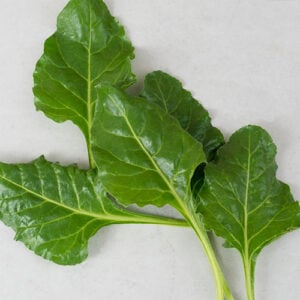 Spinach addresses more spring fatigue mechanisms than any other single green. It is a good source of iron, folate, magnesium, and vitamin C, and also contains lutein and zeaxanthin, which support eye health during the transition to brighter spring light. The challenge with spinach is that its nutrients degrade faster than almost any other leafy green after harvest. Research published in the Journal of Agricultural and Food Chemistry found folate losses of 40 to 77% in spinach stored at 4°C for 8 days. Growing and harvesting your own spinach daily eliminates this degradation window.
Watercress: vitamin C and iron together
Watercress is exceptionally high in vitamin C relative to its caloric content, providing around 43mg per 100g, more than an orange by weight. It also contains meaningful iron, making it an efficient pairing in a single food. Its peppery bite signals the presence of isothiocyanates that have additional anti-inflammatory and liver-supportive properties.
Kale: iron and vitamin C together
Kale provides iron (~1.5mg per 100g raw), vitamin C (~80mg per cup raw), and very low oxalate content, making it one of the most bioavailable plant iron sources available. Its vitamin C enhances absorption from its own iron content. Grow kale at home, both standard and lacinato varieties are available.
Swiss chard: magnesium and potassium
Swiss chard is one of the highest plant-based sources of magnesium, approximately 81mg per 100g raw, alongside exceptional potassium. Its combination of magnesium and potassium is particularly relevant for cardiovascular health and nerve function during the spring transition.
A practical four-week spring recovery plan
Week one: iron and folate focus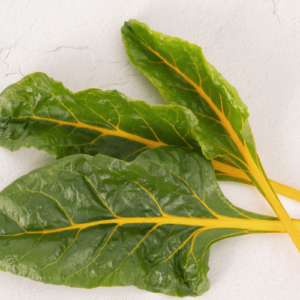
- Add two large handfuls of fresh spinach daily, raw or lightly sautéed
- Pair with a vitamin C source at every meal: citrus, bell pepper, or watercress
- Avoid drinking coffee or tea within 60 minutes of iron-rich meals, tannins inhibit absorption
Week two: magnesium focus
- Add Swiss chard or kale to at least one meal daily
- Reduce alcohol and caffeine, which both increase urinary magnesium excretion
Week three: variety and bitterness
- Introduce arugula and watercress alongside spinach for glucosinolate variety
- Eat at least one large mixed green salad daily with olive oil and lemon to support fat-soluble vitamin absorption
Week four: harvest fresh daily
- If growing at home, establish a daily harvest ritual to ensure you are consuming greens at peak nutrient density
- Benefits of homegrown garden for additional context on what consistent home growing delivers nutritionally
Frequently asked questions
Is spring fatigue a real medical condition?
It is a recognized phenomenon with documented physiological causes including circadian disruption, accumulated nutritional deficits, and increased metabolic demands during the seasonal transition. It is not a formal diagnosis but its mechanisms are well understood.
Which nutrient deficiency is most commonly behind spring fatigue?
Folate and iron are the most common dietary causes. Vitamin D deficiency from limited winter sun exposure is also very common and harder to address through diet alone. A blood panel in March can identify specific deficits.
Can I get enough iron from plants alone?
Yes, with attention to absorption. Always pair plant iron sources with vitamin C, avoid tannins (tea, coffee) around iron-rich meals, and cook high-oxalate vegetables like spinach to reduce absorption inhibitors.