Cookies help us deliver the best experience on our website. By clicking Accept you are agreeing to the placement and use of cookies as described in our privacy policy.


Most hydration advice focuses on what you drink. The role of food in daily water intake is consistently underestimated. Many adults get 20 to 30 percent of their daily water from food, and for people who eat significant amounts of fresh produce, that figure can be higher.
Spring is when this matters most. Increasing temperatures, rising physical activity, and higher baseline water loss through sweating make adequate hydration more important from March through May than at any point over winter. Fresh greens and vegetables grown at home are among the most water-dense foods available and can meaningfully supplement fluid intake without any additional effort.
Key takeaways
- Many adults get 20 to 30% of their daily water from food. A large fresh salad of lettuce, watercress, and cucumber can contribute 300 to 400ml
 — roughly a third of a moderate daily water target.
 - Cucumbers are 96% water; romaine and watercress are 95%; spinach is 91%; cherry tomatoes are 94% — all meaningful contributors to daily fluid intake without any additional effort.
- Effective hydration requires electrolytes, particularly potassium and magnesium. Fresh greens are excellent sources of both — two minerals that plain water and most commercial sports drinks do not provide.
- Lettuce loses turgor rapidly after harvest, with it losing some water content and cellular electrolytes. Store-bought lettuce that is visibly wilting at purchase has already lost some of its hydration value.
- Fresh mint in water or sparkling water significantly increases actual water intake for many people simply by making plain water more appealing — and grows prolifically in the Gardyn system.
- Mild dehydration of 1 to 2% of body weight is often experienced as fatigue, reduced concentration, and headache before thirst is noticeable — symptoms often mistaken for spring fatigue.
Why hydration matters more in spring
Thermoregulation and sweat onset
As ambient temperatures rise above roughly 20°C (68°F), the body begins using evaporative cooling through perspiration. Spring, with its rapidly fluctuating temperatures, is a period when many people shift from minimal sweat loss to significant sweat loss without consciously adjusting their fluid intake.
| Signs of mild dehydration
Mild dehydration of 1 to 2 percent of body weight is often experienced as fatigue, reduced concentration, and headache before thirst is noticeable. Dark yellow urine, dry mouth, and reduced urination frequency are more obvious markers. Spring fatigue that does not respond to sleep improvement is sometimes partly a hydration issue. |
How fresh produce contributes to hydration
Water content of common produce
The water content of fresh vegetables ranges from around 84 percent for kale to 96 percent for cucumbers and lettuce. A 200g salad of fresh lettuce provides approximately 190ml of water. A large mixed salad with cucumber and tomatoes provides 300 to 400ml — roughly a third of a moderate daily water target from a single meal component.
Electrolytes: hydration is not just about water
Effective hydration requires electrolytes — particularly potassium and magnesium — to maintain fluid balance across cell membranes. Fresh greens are excellent sources of both. Potassium is important for maintaining intracellular hydration and is frequently insufficient in Western diets, while magnesium supports numerous enzymatic reactions including those governing fluid regulation.
The most water-rich plants to grow in a Gardyn system
Lettuce: 95 to 96% water
All lettuce varieties are among the most water-dense foods available. A large salad bowl of freshly harvested mixed lettuce provides approximately 300 to 400ml of water alongside significant folate, vitamin K, and potassium. The key for hydration is freshness: lettuce loses turgor rapidly after harvest, and with it, some of its water content and cellular electrolytes. Store-bought lettuce that is visibly wilting has already lost meaningful hydration value.
Cucumbers: 96% water and potassium
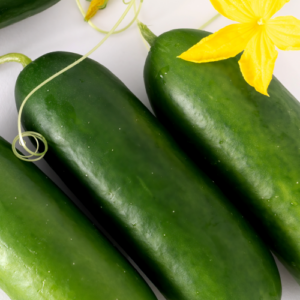 Cucumbers are 96 percent water and provide meaningful potassium per serving. Growing cucumbers in a Gardyn system works well with the support belt accessory that keeps vining plants growing upright.
Grow cucumbers at home, using the plant support belt for vining growth.
Watercress: 95% water with exceptional nutrient density
Watercress combines very high water content with the highest nutrient density score of any vegetable assessed by the CDC’s Powerhouse Fruits and Vegetables study. A large serving of fresh watercress provides hydration, vitamin C for electrolyte metabolism, and glucosinolates for anti-inflammatory support.
Mint: the hydration herb
Mint is 86 percent water and has a cooling sensory effect that makes water and beverages feel more refreshing. Adding fresh mint leaves to water or sparkling water significantly increases actual water intake for many people simply by making plain water more appealing. It is also one of the most productive plants in the Gardyn system.
How to grow mint indoors and the mint growing page for harvest management.
Cherry tomatoes: 94% water and lycopene
Cherry tomatoes are 94 percent water and provide lycopene, a carotenoid antioxidant studied for cardiovascular and skin health. They are one of the most popular Gardyn-grown plants and produce prolifically with the support of the plant belt accessory.
Building hydration into meals with home-grown produce
The daily salad as hydration base
A large daily salad built from fresh homegrown lettuce, watercress, and cucumber provides 350 to 500ml of water from food alone. Dressed with lemon, olive oil, and fresh herbs, it also provides potassium, magnesium, and vitamin C — the electrolytes and cofactors that support fluid balance at the cellular level.
Herb-infused water as a habit
Many people who struggle with plain water intake find flavoured water much easier to consume in adequate amounts. Infusing a one-liter jug with fresh mint, basil, or lemon balm from a Gardyn system adds no calories and makes daily water intake a pleasant habit rather than a chore. Prepare a jug each morning from the previous evening’s harvest.
Plants for athletes covers pre-exercise greens for electrolyte loading.
Frequently asked questions
How much of my daily water can come from food?
For people eating significant fresh produce, 20 to 30 percent of total daily water intake comes from food. Eating two to three large servings of water-rich vegetables and fruits can contribute 500 to 700ml toward an average daily target of 2 to 2.5 litres.
Do I still need to drink water if I eat a lot of fresh greens?
Yes. Food-derived water supplements but does not replace fluid intake. It reduces how much additional water you need to drink, which is practically useful, but does not eliminate the need for beverages entirely.
Which lettuce variety is best for hydration?
All lettuce varieties have similar water content (94 to 96%). Choose based on nutrient density and flavour preference. Red and purple varieties add quercetin and anthocyanins; romaine adds folate and fibre; butterhead adds a mild flavour suitable for large volume consumption.