Cookies help us deliver the best experience on our website. By clicking Accept you are agreeing to the placement and use of cookies as described in our privacy policy.


Blood sugar regulation is one of the most researched areas of food science, and for good reason. Dysregulated blood glucose is the defining feature of type 2 diabetes, which affects approximately 37 million Americans, and pre-diabetes, which affects an additional 96 million. Even in people without a diagnosis, post-meal blood sugar spikes are associated with increased inflammation, oxidative stress, and long-term cardiovascular risk.
Diet is the primary modifiable determinant of blood sugar regulation. Within diet, specific plants and plant compounds have demonstrated measurable glycaemic effects through several distinct mechanisms — all backed by peer-reviewed research.
Key takeaways
- Quercetin in basil, oregano, and cilantro inhibits alpha-glucosidase enzymes — the same mechanism used by the diabetes medication acarbose — slowing carbohydrate breakdown and post-meal glucose spikes.
- Magnesium in spinach and Swiss chard is required for insulin signalling enzymes; a 2011 meta-analysis in Diabetes Care found each 100mg increment in daily magnesium intake was associated with a 15% lower type 2 diabetes risk.
- Basil leaf extract has shown significant reductions in fasting and post-meal blood glucose in small human pilot trials; the proposed mechanisms include eugenol-mediated COX-2 inhibition and alpha-glucosidase inhibition.
- Arugula’s glucosinolates break down to isothiocyanates that have demonstrated improvements in insulin sensitivity in animal studies and some human trials.
- Dietary nitrates in arugula (~480mg per 100g) are converted to nitric oxide, which improves endothelial function and has been studied for effects on insulin sensitivity.
- Home growing makes daily culinary-dose herb use practical — the quantities needed for meaningful glycaemic effects require access to fresh herbs consistently, which store-bought bunches rarely provide.
How blood sugar regulation works and where diet intervenes
Key mechanisms for dietary glycaemic control
Alpha-glucosidase inhibition: digestive enzymes called alpha-glucosidases break complex carbohydrates into simple sugars for absorption. Inhibiting these enzymes slows glucose release. Several plant compounds including quercetin, berberine, and chlorogenic acid have demonstrated alpha-glucosidase inhibitory activity. Some pharmaceutical medications (acarbose) work through the same mechanism.
Insulin sensitisation: some plant compounds improve cellular sensitivity to insulin, reducing the amount of insulin required to achieve the same glucose uptake. This is relevant for the insulin resistance that characterises pre-diabetes and type 2 diabetes.
| Medical disclaimer
The plants and compounds discussed in this article support blood sugar management as part of a healthy diet. They are not treatments for diabetes or pre-diabetes and should not replace medication or medical monitoring. If you have diabetes or pre-diabetes, consult your physician or registered dietitian before making significant dietary changes. |
 Homegrowable plants with documented glycaemic effects
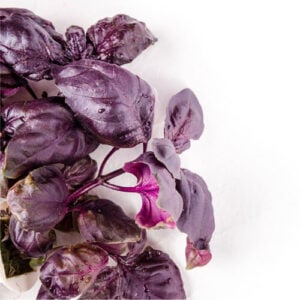
Basil: eugenol and alpha-glucosidase inhibition
Multiple animal studies and small human pilot trials have found that basil leaf extract reduces fasting blood glucose and post-meal blood glucose in diabetic and pre-diabetic subjects. A 2012 randomised crossover trial in humans found that holy basil significantly reduced fasting blood glucose and post-meal glucose compared to placebo. The proposed mechanisms include alpha-glucosidase inhibition by eugenol and quercetin.
Spinach: alpha-lipoic acid and magnesium
Spinach contains alpha-lipoic acid (ALA), a naturally occurring antioxidant studied for its effects on insulin sensitivity. A systematic review in Obesity Reviews found that ALA improves glucose uptake by muscle cells by activating GLUT4 transporters, independent of the insulin signalling pathway. Spinach is also among the best dietary magnesium sources, and magnesium deficiency is strongly associated with insulin resistance.
Arugula: glucosinolates and insulin sensitivity
Glucosinolates in arugula break down to isothiocyanates during digestion. These compounds have demonstrated improvements in insulin sensitivity in animal studies. Arugula’s dietary nitrate content (~480mg per 100g) also supports endothelial function through nitric oxide production, which has downstream effects on glucose metabolism.
Cilantro: hypoglycaemic effects in animal models
Animal studies on cilantro leaf and seed extracts have consistently found hypoglycaemic effects including increased insulin secretion and improved glucose uptake. Human clinical research is limited, but the mechanistic evidence is sufficient to make cilantro a reasonable inclusion in a blood sugar-supportive diet.
How to grow cilantro indoors and the cilantro growing guide.
Mint: digestive support and glycaemic modulation
Mint contains rosmarinic acid and flavonoids including luteolin and hesperidin that have demonstrated alpha-glucosidase inhibitory activity in laboratory studies. Fresh mint added to water or meals also slows gastric emptying slightly, reducing the speed of glucose absorption from the same meal.
Grow mint at home and how to grow mint indoors.
Building blood sugar-supportive meals with homegrown plants
- Build meals around leafy greens as a base rather than grains or starches — reduces carbohydrate density, increases fiber, and delivers minerals that support insulin function
- Add fresh basil, cilantro, and mint to meals in meaningful quantities (tablespoons rather than sprigs) — delivers alpha-glucosidase inhibitory compounds alongside flavour
- Eat greens before the carbohydrate-dominant components of a meal — the fibre-first mechanism reduces post-meal glucose independently of herb compounds
Frequently asked questions
Can homegrown plants replace diabetes medication?
No. Dietary plants are supportive adjuncts to blood sugar management and should complement, not replace, medical treatment. For people with diagnosed diabetes or pre-diabetes, any dietary change should be made in consultation with their healthcare provider.
How quickly do dietary plants affect blood sugar?
Post-meal effects (alpha-glucosidase inhibition, gastric slowing) occur within the same meal. Longer-term effects on insulin sensitivity and fasting blood glucose develop over weeks of consistent dietary change.
Which Gardyn plants are most useful for blood sugar support?
Spinach (magnesium and alpha-lipoic acid), arugula (glucosinolates and insulin sensitisation), basil (eugenol and alpha-glucosidase inhibition), and mint (digestive slowing and appetite regulation) provide the most evidence-supported combination.