Cookies help us deliver the best experience on our website. By clicking Accept you are agreeing to the placement and use of cookies as described in our privacy policy.


Once you make tomato sauce from your own cherry tomatoes, the canned version becomes hard to go back to. Vine-ripened tomatoes have flavor compounds that develop only on the plant, and they break down into a sauce that tastes brighter, sweeter, and more complex than anything from a jar.
Here are three fresh tomato sauce recipes built for the cherry tomato glut a healthy indoor garden produces in summer: a five-minute no-cook sauce, a 20-minute cooked sauce, and a freezer batch that gets you through winter.
Key takeaways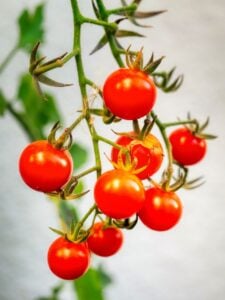
- A fresh tomato sauce recipe from cherry tomatoes beats jarred sauce on flavor because vine-ripened tomatoes develop sugar and aromatic compounds that grocery tomatoes lack.
- Three recipes cover the entire summer: no-cook for hot days, fast cooked for weeknights, and a freezer batch for stocking up.
- Cherry tomatoes work better than large tomatoes for fresh sauce because the skin-to-flesh ratio gives you concentrated flavor with less work.
- A Gardyn Home produces enough cherry tomatoes for weekly sauce-making during peak summer.
- Freeze sauce in flat one-cup portions for winter pasta nights, soups, and pizza.
Why cherry tomatoes make better sauce than big tomatoes
Most tomato sauce traditions use large field tomatoes (Roma, San Marzano, beefsteak). Those varieties are bred for outdoor field growing, and they produce a good sauce when ripe. Cherry tomatoes do something different: they concentrate sugar and flavor into a smaller package, with a skin-to-flesh ratio that gives sauce more body and intensity per pound.
Indoor cherry tomatoes also ripen on the vine, which is the key variable. Most grocery tomatoes (including Romas marketed as “for sauce”) are picked green and gas-ripened, so they develop color but never develop the full flavor profile. Cherry tomatoes from your own column do.
Recipe 1: Five-minute no-cook summer sauce
This is what to make when it’s 90 degrees and you want pasta but not heat. The sauce comes together in five minutes and uses no stove. The hot pasta does all the work of warming the sauce when you toss them together.
Ingredients (serves 4)
- 3 cups halved cherry tomatoes (about 1.5 pounds)
- 3 garlic cloves, finely grated or pressed
- 1/3 cup good olive oil
- 1 cup loosely packed fresh basil leaves, torn
- 1 teaspoon flaky salt
- 1/2 teaspoon red pepper flakes (optional)
- 1 pound short pasta (rigatoni, fusilli, penne)
- Freshly grated parmesan and additional basil for finishing
Method
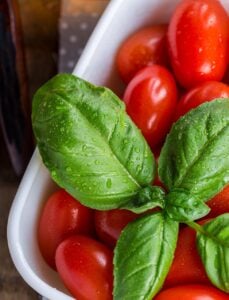 In a large serving bowl, combine the cherry tomatoes, garlic, olive oil, basil, salt, and red pepper flakes. Let sit at room temperature for at least 30 minutes (or up to 2 hours) so the tomatoes release their juices and the garlic mellows.
Bring a large pot of well-salted water to a boil and cook the pasta to al dente. Drain, reserving 1/4 cup pasta water.
Add the hot pasta directly to the tomato bowl. Toss thoroughly. The residual heat softens the tomatoes and wilts the basil slightly. Add a splash of pasta water if needed to loosen. Finish with parmesan and additional basil. Serve immediately.
Recipe 2: Twenty-minute cooked summer tomato sauce
This is the weeknight version. Same ingredients, more depth from the cook time, still ready in 20 minutes from the moment you start. This freezes well in single-meal portions.
Ingredients (makes about 4 cups)
- 4 cups cherry tomatoes (about 2 pounds), halved
- 1/3 cup good olive oil
- 6 garlic cloves, thinly sliced
- 1 teaspoon flaky salt
- 1/2 teaspoon red pepper flakes
- 1 cup loosely packed fresh basil leaves, torn
- 2 tablespoons fresh oregano, chopped
- Optional: 1 tablespoon tomato paste for depth
Method
Heat the olive oil in a wide pan over medium heat. Add the garlic and cook gently for one minute until fragrant but not browned.
Add the cherry tomatoes, salt, and red pepper flakes. Cook for 12 to 15 minutes, stirring occasionally, until the tomatoes have broken down completely and the sauce has thickened. Stir in the tomato paste if using during the last 3 minutes.
Off the heat, stir in the basil and oregano. Taste for salt. Use immediately on pasta or pizza, or cool and store.
| “The first time you taste pasta sauce made from your own vine-ripened cherry tomatoes, the canned version becomes hard to go back to. The flavor difference is not subtle.”
Gardyn test kitchen |
Recipe 3: Freezer batch for winter
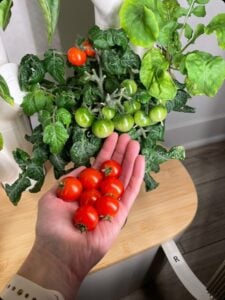
When your column is producing heavily and you can’t eat fast enough, make this and freeze it. One cup of frozen sauce is exactly enough for one batch of weeknight pasta in February.
Ingredients (makes 6 to 8 cups)
- 8 cups cherry tomatoes (about 4 pounds)
- 1/2 cup good olive oil
- 10 garlic cloves, thinly sliced
- 2 teaspoons flaky salt
- 1 teaspoon red pepper flakes
- 1 large bunch fresh basil (about 2 cups loosely packed leaves)
- 1/4 cup fresh oregano leaves
- 2 tablespoons tomato paste
Method
Heat the olive oil in a large heavy pot over medium heat. Add the garlic and cook gently for two minutes.
Add the cherry tomatoes, salt, red pepper flakes, and tomato paste. Cook for 30 to 40 minutes, stirring occasionally, until the tomatoes have broken down completely and the sauce has reduced and thickened. If you want a smoother sauce, use an immersion blender briefly.
Off the heat, stir in the basil and oregano. Let cool completely.
Portion into freezer bags or containers in one-cup amounts. Lay flat in the freezer to freeze quickly and stack efficiently. Sauce keeps frozen for up to 6 months.
What grows in a Gardyn for sauce-making season
A Gardyn Home with two cherry tomato yCubes plus basil and oregano produces enough tomatoes through July and August for weekly fresh sauce plus a freezer stock. Stagger the cherry tomato plantings: install the first yCube in early March for a May harvest, the second in late May for a July-September harvest.
| Make tomato sauce that beats anything in a jar
A Gardyn Home grows enough cherry tomatoes for weekly summer sauce and a winter freezer stock. Memorial Day sale is on now. |
Frequently asked questions
Do I need to peel cherry tomatoes for sauce?
No. The skins on cherry tomatoes are thinner than on large tomatoes, and they break down completely during cooking. For the no-cook sauce, the skins add texture and body.
Can I make this sauce with a mix of cherry and large tomatoes?
Yes. The ratio doesn’t matter much. Use whatever you have, halved or quartered. Just adjust cook time slightly if using large tomatoes (they take longer to break down).
How long does fresh tomato sauce last in the fridge?
Four to five days in a sealed container. Reheat gently on the stove or in the microwave. Add a splash of olive oil if it looks dry.
Can I can this sauce instead of freezing it?
Yes, but cherry tomatoes are slightly less acidic than Roma tomatoes, so you should add a tablespoon of lemon juice or 1/4 teaspoon of citric acid per pint and follow standard water-bath canning safety procedures.
What if my cherry tomatoes aren’t ripe enough yet?
Wait. Tomato sauce is only as good as the tomatoes. Underripe cherry tomatoes make sour sauce. Hold them until they’re fully red and slightly soft.
Can I use this sauce on pizza?
Yes. The Recipe 2 cooked sauce works beautifully as a pizza base. Spread thinly over dough, top, and bake. The Recipe 1 no-cook version is too wet for pizza but works as a fresh topping after baking.