Cookies help us deliver the best experience on our website. By clicking Accept you are agreeing to the placement and use of cookies as described in our privacy policy.


Most skin-and-food articles fall into two camps: vague claims that any vegetable is good for your skin, or hyper-specific claims about a single superfood that will transform your complexion. Neither is helpful. The actual research on diet and skin health is narrower, more interesting, and more useful, and it has practical implications for what to grow and eat in summer specifically.
Here is what the evidence shows about food and skin, the produce categories with the strongest support behind them, and the simple summer eating shifts that have real effects.
Key takeaways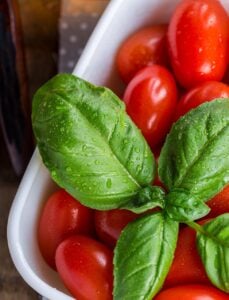
- Foods for healthy skin work mainly through three mechanisms: antioxidant protection against UV damage, supporting collagen synthesis, and reducing inflammation that ages skin.
- Lycopene from cooked tomatoes is the single most-studied food compound for sun-damage protection.
- Beta-carotene from leafy greens and orange vegetables converts to vitamin A, which supports skin renewal.
- Vitamin C is essential for collagen synthesis. Most adults under-consume the amount needed for visible skin effects.
- Polyphenol-rich herbs (basil, parsley, oregano) deliver anti-inflammatory compounds that support skin health year-round.
How food actually affects skin
Skin is the body’s largest organ and renews itself constantly. The cells you see today were created weeks ago, deep in the dermis, using nutrients you ate then. This is why diet effects on skin appear slowly (weeks to months, not days) and why the consistent baseline of what you eat matters more than any single “miracle” food.
Specific nutrients matter for specific functions. Vitamin C is required for collagen synthesis. Vitamin A drives skin cell renewal. Antioxidants protect skin cells from oxidative damage caused by UV exposure, pollution, and normal metabolism. Omega-3s and polyphenols reduce the chronic inflammation that accelerates skin aging.
The summer-specific angle
Summer changes the equation in two ways. First, UV exposure goes up, which means more oxidative stress on skin cells and a higher demand for antioxidant defense. Second, fluid loss through sweating concentrates the demand for hydration and electrolytes, both of which affect skin appearance.
Eating for skin in summer means leaning into the antioxidant-rich, hydrating produce that’s actually in season anyway.
Lycopene: the most-studied skin compound
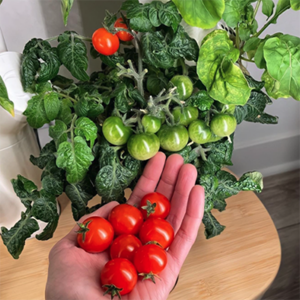 Lycopene is the carotenoid that gives tomatoes their red color. Multiple human studies have shown that regular consumption of cooked tomato products measurably reduces UV-induced skin damage. One frequently cited study from the British Journal of Dermatology found that participants eating five tablespoons of tomato paste daily for 12 weeks had significantly less skin damage from UV exposure than the control group.
Lycopene is more bioavailable from cooked tomatoes than raw (the heat breaks down cell walls and releases the compound), and absorption is enhanced when consumed with fat. A simple summer practice: regular consumption of tomato-based dishes (sauce, gazpacho, roasted tomatoes) with olive oil.
Indoor cherry tomatoes are unusually high in lycopene because vine-ripened fruit develops the compound more fully than gas-ripened commercial tomatoes.
Beta-carotene: the second-most-studied
Beta-carotene converts to vitamin A in the body and supports skin cell renewal. Studies have shown that beta-carotene supplementation provides modest UV protection (not a substitute for sunscreen, but a contributing factor). Whole-food sources are well-evidenced and safe; high-dose supplements have shown mixed results.
Best food sources: leafy greens (kale, spinach, chard), orange vegetables (carrots, sweet potatoes), and some herbs (parsley).
Vitamin C and collagen
Collagen synthesis is enzymatic, and vitamin C is the essential cofactor. Without adequate vitamin C, the body cannot build collagen properly. The visible result over months and years is reduced skin elasticity and faster appearance of fine lines.
The RDA for vitamin C (75-90 mg) is set to prevent scurvy, not to optimize collagen synthesis. The research on skin-effective intake suggests higher amounts (200-500 mg per day from food) may be optimal. Watercress, peppers, parsley, strawberries, and broccoli are concentrated sources.
| “The visible benefits of eating for skin show up over months, not days. The consolation is that they’re real and they accumulate. Someone who eats consistently for skin in their thirties is measurably different from someone who doesn’t by their fifties.”
Lindsay Springer, Ph.D., Director of Plants, Nutrition & Digital Agriculture, Gardyn |
Polyphenol-rich herbs
Basil, parsley, oregano, mint, and most kitchen herbs contain high concentrations of polyphenols, a broad class of antioxidant compounds with documented anti-inflammatory effects. The skin benefit is the same general anti-inflammatory effect that protects other tissues.
Fresh basil in particular is one of the most polyphenol-dense culinary herbs. Used in real quantities (not as a garnish; in pesto, in salads, in dressings) it delivers a meaningful daily dose.
A practical summer skin-eating plate
Build one meal a day around the produce categories above:
- Cooked tomato component (sauce on pasta or eggs, gazpacho, roasted tomatoes)
- Dark leafy greens (kale salad, sauteed chard, arugula in everything)
- Bell pepper (raw in salads, roasted on the side)
- Fresh herbs in generous quantities (basil, parsley, mint)
- Fat source for carotenoid absorption (olive oil, avocado, nuts)
- Berries with breakfast (vitamin C, polyphenols)
- Adequate water (8+ cups per day in summer heat)
Plant a skin-supporting garden
A six-yCube setup covers most of the produce in this guide: cherry tomatoes, kale, swiss chard, basil, parsley, arugula. All grow continuously in a Gardyn Home column. The combination provides daily access to the lycopene, beta-carotene, vitamin C, and polyphenols that drive most evidence-based skin benefits.
|
Frequently asked questions
How long until I see skin changes from diet?
Eight to twelve weeks for noticeable changes in skin texture, hydration, and brightness. Collagen-related changes take longer (six months or more). Diet effects are slow and cumulative, not dramatic and immediate.
Does eating for skin replace sunscreen?
No. Sunscreen is still the most effective protection against UV damage. Diet provides an additional layer of antioxidant defense that complements topical protection. Both matter.
What about collagen supplements?
The evidence for oral collagen supplements is mixed. Some studies show modest benefits; others show none. The mechanism (dietary collagen being broken down and reassembled in skin) is biologically plausible but not as well-established as the food-based approach. If you take collagen, also support synthesis with adequate vitamin C.
Is hydroponic produce as good for skin as soil-grown?
Yes. The compounds discussed in this article (lycopene, beta-carotene, vitamin C, polyphenols) are present in similar concentrations in hydroponic and soil-grown produce. Freshness has a larger effect on these compounds than growing method, and homegrown produce wins on freshness.
What foods should I avoid for skin health?
Heavy sugar intake and ultra-processed foods both contribute to glycation (a process that damages collagen) and chronic inflammation. The general pattern (less processed food, more whole produce) is more important than any specific food.
Are organic vegetables better for skin?
The evidence is weaker than the marketing suggests. The variety and freshness of your produce matters far more than whether it’s certified organic. Eating fresh, varied, and consistent matters more than the production method.