Cookies help us deliver the best experience on our website. By clicking Accept you are agreeing to the placement and use of cookies as described in our privacy policy.


Summer disrupts sleep for almost everyone. Long daylight hours push back natural melatonin release. Heat keeps the bedroom warmer than the ideal sleep temperature. Travel, social calendars, and shifted routines all add up. By August, a lot of people are running on a sleep deficit they did not have in May.
Of all the food-based interventions for sleep, magnesium has the strongest evidence base. Most American adults don’t consume the recommended daily amount, and supplementation studies have shown meaningful improvements in sleep quality. The good news is that the easiest dietary source of magnesium is dark leafy greens, which happen to grow effortlessly indoors year-round.
Here is what the research says, the best magnesium-rich plants to grow at home, and a practical summer-eating approach that supports better sleep.
Key takeaways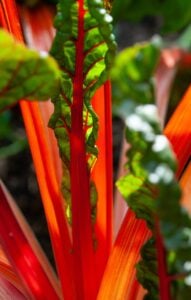
- Foods for better sleep work through several mechanisms; magnesium has the most direct evidence base because it regulates the GABA pathway involved in falling asleep.
- Most American adults consume less than the recommended 320-420 mg of magnesium per day. Even mild deficiency affects sleep quality.
- Dark leafy greens (spinach, swiss chard, kale) are among the most magnesium-dense foods you can grow indoors.
- Pumpkin seeds, almonds, dark chocolate, and beans round out a magnesium-rich diet.
- Consistent intake over weeks matters more than single high doses. An indoor garden makes daily greens realistic for most people.
Why magnesium matters for sleep
Magnesium is a cofactor in over 300 enzymatic reactions in the body. For sleep specifically, it acts on the GABA pathway (the inhibitory neurotransmitter system that lets the nervous system wind down at night) and regulates melatonin production. Inadequate magnesium impairs both.
A meta-analysis published in BMC Complementary Medicine and Therapies reviewed magnesium supplementation studies for sleep and found consistent improvements in sleep quality, total sleep time, and reduced sleep onset latency. The effect was strongest in adults with low baseline magnesium intake, which describes most Americans.
Why most adults are short on magnesium
The recommended daily intake is 320 mg for women and 420 mg for men. National survey data consistently shows that more than half of American adults consume less than the recommended amount. The reasons are largely dietary: modern diets are low in the foods that traditionally provided magnesium (leafy greens, beans, whole grains, nuts) and high in refined foods that contain very little.
The effect of mild magnesium insufficiency builds over time. Most people don’t notice it directly but experience downstream symptoms: poor sleep, muscle cramps, anxiety, headaches. Restoring adequate intake often improves multiple symptoms at once.
The most magnesium-dense plants you can grow indoors
Swiss chard (81 mg per 100g cooked)
Swiss chard is the densest leafy source of magnesium. A single serving of cooked swiss chard delivers roughly a quarter of the recommended daily intake. Add the colorful stems for additional fiber and visual interest.
 Spinach (87 mg per 100g cooked)
Spinach is the classic leafy green, and the magnesium density is the reason. Sauteed spinach as a side dish, raw in salads, or wilted into eggs all deliver a meaningful daily contribution.
Kale (47 mg per 100g cooked)
Kale is lower in magnesium per gram than chard or spinach but is typically eaten in larger volumes (especially raw in salads), so the per-meal contribution is comparable.
Beet greens (70 mg per 100g cooked)
Beet greens are dramatically underused in American eating. The leafy tops of beets are one of the most magnesium-rich greens and are essentially free if you grow beets. They sautee in minutes.
Other magnesium-rich foods worth knowing
- Pumpkin seeds: the single most magnesium-dense food (262 mg per ounce)
- Almonds and cashews (80 mg per ounce)
- Dark chocolate, 70% or higher (64 mg per ounce)
- Black beans, edamame, lentils
- Avocado (58 mg per fruit)
- Quinoa, brown rice, oats
| “Magnesium is the closest thing nutrition has to a quiet, universal lever. Most adults are short on it. Most adults notice when they’re no longer short on it. The food sources are not exotic.”
Lindsay Springer, Ph.D., Director of Plants, Nutrition & Digital Agriculture, Gardyn |
A practical magnesium-for-sleep eating pattern
Aim for steady daily intake rather than occasional large meals:
- Breakfast: yogurt with a tablespoon of pumpkin seeds and berries, OR a smoothie with a handful of spinach
- Lunch: a salad with leafy greens (chard, spinach, kale, or a mix) plus a small handful of almonds
- Snack: a square of dark chocolate, OR an apple with almond butter
- Dinner: include a leafy green side (sauteed chard with garlic, wilted spinach, kale salad)
This pattern reliably delivers 300 to 400 mg of magnesium per day from food alone, which is the floor for adequate intake.
Why food matters more than supplements for sleep
Magnesium supplements work, and they have a place. But food sources of magnesium come paired with other nutrients (vitamin K from leafy greens, fiber, polyphenols) that support overall sleep health. Magnesium from food also doesn’t cause the loose stools that high-dose oral magnesium supplements can produce in sensitive people.
If you supplement, magnesium glycinate is the form with the best evidence for sleep specifically. Doses of 200-400 mg taken 1 to 2 hours before bed are typical, but food first is the right starting point.
The summer-specific challenge
Summer adds two complications to the magnesium-sleep picture. First, sweating increases magnesium loss, raising the daily requirement. Second, summer eating tends to be lighter and more salad-based, which (if done right) actually increases magnesium intake. Lean into the leafy green angle.
Pair the greens with the other summer-eating recommendations (hydration foods, anti-inflammatory herbs, regular meals) for compounding sleep benefits.
Plant a sleep-supporting garden
A four-yCube setup hits the daily magnesium target through greens alone: swiss chard, spinach, kale, and arugula. All grow continuously in a Gardyn Home column. Same-day-pick greens also taste meaningfully better, which makes the daily-salad habit easier to sustain.
| Eat the greens. Sleep the sleep.
A Gardyn floor column grows the dark leafy greens that drive evidence-based sleep improvements. |
Frequently asked questions
How long until I notice sleep improvements from eating more magnesium?
Most people notice changes within two to four weeks of consistent intake. The effect is gradual rather than dramatic. If you have severe insomnia or sleep apnea, food alone is unlikely to resolve it; see a sleep specialist.
Can I just take a magnesium supplement instead?
You can, and supplementation works for many people. Food first is the better baseline because it provides magnesium alongside other sleep-supporting nutrients (vitamin K, fiber, polyphenols). Supplements are a useful addition for people with high needs or low baseline intake.
What’s the best magnesium supplement for sleep?
Magnesium glycinate has the strongest evidence for sleep specifically and is well-tolerated. Magnesium citrate is more likely to cause loose stools at higher doses. Avoid magnesium oxide for sleep purposes; it’s poorly absorbed.
Are there foods that hurt sleep I should avoid?
Alcohol (which fragments sleep architecture even if it helps you fall asleep), caffeine after midday (its half-life is 5 to 6 hours), and large heavy meals close to bedtime all impair sleep quality.
Does the heat itself just disrupt summer sleep?
Yes, and food can’t fully compensate. A cool bedroom (65-68°F is ideal), blackout curtains to manage long daylight, and consistent sleep timing all matter alongside diet.
Are hydroponic leafy greens as nutrient-dense as soil-grown?
Yes. For minerals like magnesium, the nutrient content depends on the nutrient delivery to the plant, which is precisely controlled in a hydroponic system. Hydroponic greens reliably contain magnesium at levels comparable to or higher than soil-grown equivalents.