Cookies help us deliver the best experience on our website. By clicking Accept you are agreeing to the placement and use of cookies as described in our privacy policy.


Standing in the produce aisle, you pick up a bag of pre-washed spinach. It looks green. It says “fresh” on the label. But a nagging question lingers:
Do you actually know what’s in there?
For parents trying to feed their families well, this uncertainty has become exhausting. Between pesticide reports, recalls, and produce that seems to wilt before you even get it home, “clean eating” can feel like an impossible standard to achieve. But here’s the truth: knowing exactly what you’re feeding your family isn’t about perfection—it’s about taking back control.
The hidden journey of “fresh” produce
That bag of spinach in your cart has already lived quite a life before you found it. The average piece of produce travels 1,500 miles from farm to store, spending anywhere from 7 to 14 days in transit and storage. By the time it reaches your refrigerator and eventually your family’s plates, it’s been weeks since it was actually harvested.

This matters more than you might think. According to research from the University of California, vegetables can lose 15 to 55 percent of their vitamin C within a week of harvest. Spinach is particularly vulnerable—it can lose up to 90 percent of its vitamin C within the first 24 to 48 hours after picking. Even in refrigeration, cut baby leaf lettuce can lose 98 percent of its vitamin C in just six days.
When you consider that 43 percent of adults already have inadequate vitamin C intake, and that children’s developing bodies need these nutrients even more, the math becomes troubling. You’re buying “fresh” produce and planning healthy meals, but the nutritional value may have significantly diminished before your family even takes a bite.
Understanding the pesticide reality
Every year, the Environmental Working Group releases its Shopper’s Guide to Pesticides in Produce, analyzing USDA data from tens of thousands of produce samples. The 2025 report examined over 53,000 samples of 47 different fruits and vegetables—and the findings give parents good reason to pay attention.
More than nine in ten samples of produce on the “Dirty Dozen” list contained residues of potentially harmful pesticides. In total, 203 different pesticides were found on these twelve items alone, with some individual samples containing over 20 different chemicals. Spinach topped the 2025 list, followed by strawberries, kale, collard and mustard greens, and grapes.
What makes this especially relevant for families is that children’s developing brains and nervous systems are particularly sensitive to pesticide exposure. The American Academy of Pediatrics actually recommends that parents concerned about pesticide exposure consult the EWG’s Shopper’s Guide. Research from EWG has found that the EPA fails to adequately consider children when setting allowable exposure levels for 90 percent of the most common pesticides.
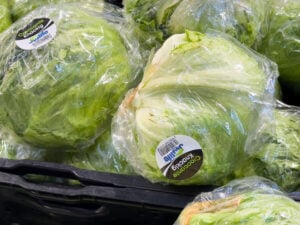
This doesn’t mean you should stop eating fruits and vegetables—far from it. The health benefits of produce far outweigh the risks from pesticide exposure. But it does mean that parents who want to minimize their family’s exposure have valid reasons for seeking alternatives.
The true meaning of “clean” eating
Clean eating isn’t about following trendy diets or eliminating entire food groups. At its core, it’s about knowing your food’s story—where it came from, how it was grown, and what it contains. For families, clean eating means making informed choices that support everyone’s health without adding stress or breaking the budget.
When you know exactly what went into growing your food, everything changes. There’s no guessing about pesticide residues, no wondering how long ago something was harvested, no questioning whether “organic” labels mean what they claim. This isn’t about fear—it’s about confidence. The difference between hoping your produce is safe and knowing it is.
For many parents, this desire for transparency extends beyond personal preference into something deeper: the responsibility of nourishing the people they love most. When you’re making a salad for your four-year-old or packing lunch for your teenager, you want to know that you’re giving them the best you can.
Why freshness equals nutrition
The connection between freshness and nutrition is well documented. Vitamin C, one of the most important antioxidants for immune function and overall health, is water-soluble and highly sensitive to light, heat, and oxygen. This makes it particularly vulnerable to degradation during the journey from farm to table.
But it’s not just vitamin C. Carotenoids—the compounds that give vegetables their vibrant colors and provide protective benefits against certain cancers, heart disease, and macular degeneration—also degrade over time. A study of three different lettuce varieties found that total antioxidant losses ranged from 39.5 to 63.2 percent after just 15 days of storage.
Penn State University research found that spinach kept at 39°F retained only 53 percent of its folate and carotenoid content after eight days. At higher temperatures—which can easily occur during transportation or in a busy family kitchen—nutrient loss accelerates even faster.
What does this mean practically? The greens you buy at the grocery store, no matter how carefully you store them, have already lost a significant portion of their peak nutritional value by the time they reach your family’s plates. Fresh-picked produce, consumed within minutes or hours of harvest rather than weeks, delivers nutrients in their most bioavailable form.
The texture and taste factor
Anyone who has ever gotten a picky eater to try vegetables knows that taste and texture matter enormously. And here’s something that doesn’t get discussed enough: freshness dramatically affects both.
Fresh lettuce is about 95 percent water, with high turgor pressure in its cells—think of it like a water balloon that bursts explosively when you bite into it. That satisfying crunch you experience? That’s healthy, hydrated plant cells at work. As produce ages, cells lose water and pressure, cell walls degrade, and that crisp texture disappears. The limp, rubbery lettuce that makes even adults grimace? That’s dehydration at the cellular level.
Flavor compounds also change rapidly after harvest. Green leaf volatiles—the molecules responsible for that unmistakable smell of fresh greens—can substantially decrease or completely degrade within just three days. This is why store-bought produce often tastes “flat” compared to something just picked from a garden.
For families with children who are reluctant vegetable eaters, this difference can be transformative. Kids who refuse grocery store greens often eagerly eat produce they’ve helped grow or watched grow—not just because of the ownership factor, but because it actually tastes better.
Growing what your family eats
The ultimate form of knowing what you’re feeding your family is growing it yourself. When you control the entire process—from seed to harvest—there’s no supply chain to wonder about, no labels to decode, no gap between what you expect and what you get.
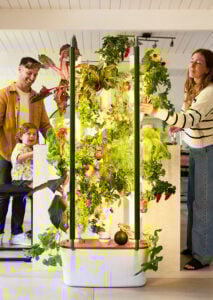
Indoor hydroponic growing makes this possible regardless of your living situation. No backyard required. No outdoor garden to maintain through seasons of extreme heat, cold, or pest pressure. No soil to worry about contaminating with lawn chemicals or environmental pollutants.
With a system like Gardyn, families can grow over 30 different varieties of greens, herbs, and vegetables year-round in a vertical footprint of just two square feet. The automated lighting and watering system handles the technical details, while the AI assistant monitors plant health and provides guidance. Even self-proclaimed “brown thumbs” can succeed because the system does the work.
The family benefits beyond nutrition
Something interesting happens when families grow their own food: children become invested in eating it. The psychology is straightforward—kids who participate in growing vegetables develop ownership over the process and curiosity about the results. The four-year-old who cries over store-bought lettuce often asks for seconds of a salad she helped harvest herself.
This transforms mealtime from a battleground into a bonding experience. Instead of negotiating bites of vegetables, families can make harvesting part of dinner preparation. Children learn where food comes from, develop appreciation for the growing process, and naturally become more adventurous eaters.
For homeschooling families, indoor growing provides hands-on STEM education. For apartment dwellers, it brings nature into spaces disconnected from the outdoors. For busy parents, it eliminates the produce-related grocery runs and the mental energy of planning around what will spoil first.
Making clean eating sustainable
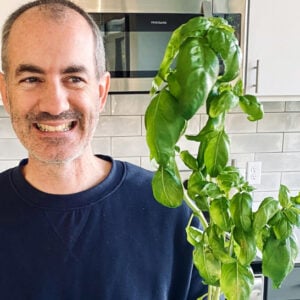
The challenge with many clean eating approaches is that they’re difficult to maintain. Buying only organic becomes expensive. Visiting farmers’ markets works until life gets busy. Growing an outdoor garden requires time, space, and dealing with weather and pests.
What makes indoor growing sustainable for families is its low-maintenance reality. After initial setup, daily care takes minutes. Plants grow continuously, providing a steady supply of fresh greens and herbs rather than the feast-or-famine cycle of outdoor gardening or weekly grocery shopping.
The economics work too. When you calculate the cost of organic greens from the grocery store—especially the portion that ends up in the trash when it spoils—home growing becomes surprisingly cost-effective. No more throwing away $8 bags of wilted spinach. No more rushing to use herbs before they turn to mush. Just pick what you need, when you need it, and let the rest keep growing.
Starting your clean eating journey
Clean eating for families doesn’t require perfection or dramatic lifestyle overhauls. It starts with small shifts toward knowing more about your food. Use guides like the EWG’s Dirty Dozen to prioritize where organic matters most. Visit local farmers’ markets when you can. Pay attention to where your produce comes from and how long it’s been on the shelf.
For families ready to take full control, consider what it would mean to grow even a portion of your daily produce. Fresh lettuce harvested thirty seconds before dinner. Herbs picked while the sauce simmers. Cherry tomatoes that actually taste like tomatoes. The peace of mind that comes from knowing exactly what went into growing the food your family eats.
This isn’t about fear of the food system or obsessive purity. It’s about making the best choices you can with the information and options available. When you know what you’re feeding your family, you feel it—that quiet confidence that comes from doing right by the people you love.